GRPInsulated Fire Water Tanks
Insulated fire reserve storage.


5625 Litre Type AB Air Gap GRP Fire Suppression Water Tank, Insulated, CAT 5
£4,135.00EX VAT · £4,962.00 INCView product
7500 Litre Type AB Air Gap GRP Fire Water Tank, Insulated, Cat 5
£4,425.00EX VAT · £5,310.00 INCView product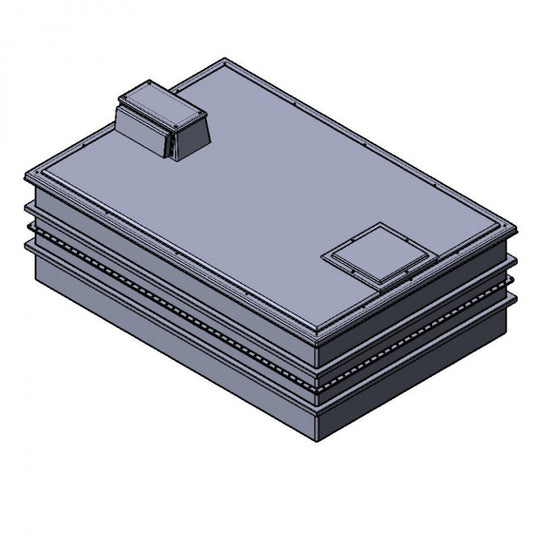
6000 Litre Type AB Air Gap GRP Fire Water Tank - Two Piece Insulated, Cat 5
£4,610.00EX VAT · £5,532.00 INCView product
6001 Litre Type AB Air Gap GRP Fire Water Tank - Two Piece Insulated, Cat 5
£4,644.00EX VAT · £5,572.80 INCView product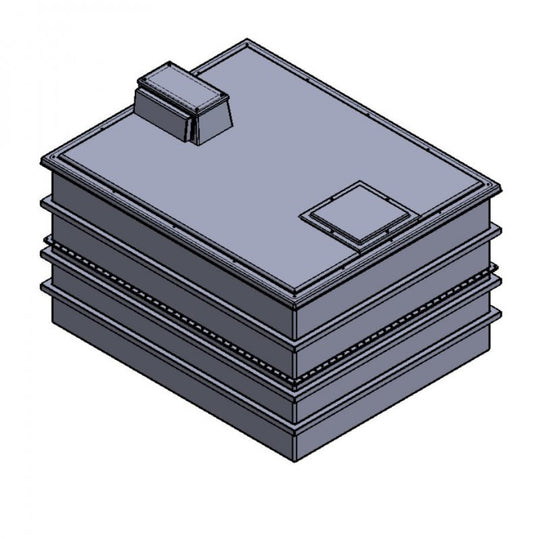
7500 Litre Type AB Air Gap GRP Fire Water Tank - Two Piece Insulated, Cat 5
£5,258.00EX VAT · £6,309.60 INCView product


Talk to a
specialist
Sizing, regulations, installation. Our team has been answering these questions for over 25 years.
GRP Insulated Fire Water Tanks FAQs
What is a GRP insulated fire water tank actually for?
These tanks provide a dedicated, reliable water reserve for sprinkler systems and fire-fighting use where mains pressure or flow can't be guaranteed — common on commercial, industrial and agricultural sites. The insulation keeps stored water above freezing in winter, ensuring the reserve is always available when a pump calls for it. They're typically sized and certified to meet insurer or fire authority requirements rather than general water storage needs.
How do I work out what capacity tank I need?
Capacity is normally dictated by your sprinkler system design, fire risk assessment or your local fire authority's stipulated water supply requirement, not just building size. Your fire engineer or sprinkler installer will specify a required volume (often referencing BS EN 12845 or LPC rules), and we can help match that to a suitable tank. Always confirm the figure with your fire consultant before ordering, as under-sizing is a common and costly mistake.
Why is GRP construction with insulation preferred for these tanks?
GRP (glass-reinforced plastic) is corrosion-free, structurally strong and doesn't taint or degrade water over long storage periods, which suits a tank that may sit largely static between call-offs. Insulated panels or linings protect the stored water from freezing, which is critical since a frozen tank is useless in a fire emergency. GRP sectional tanks also allow large volumes to be built on site without the access constraints of a single moulded shell.
Can a fire water tank be installed above ground, or does it need to be buried?
Most GRP fire water tanks are designed for above-ground installation on a suitable flat, level base such as a concrete raft or compacted stone bed, which keeps access easy for pumps, pipework and maintenance. Below-ground or bunded options are available where space or planning constraints demand it, but this adds cost and complexity for access chambers and structural loading. Your installer should confirm groundwater conditions and loading before specifying a below-ground tank.
Do these tanks need to meet any specific fire industry standards?
Sprinkler and fire-fighting water supplies are generally expected to comply with BS EN 12845 or LPC Rules for Automatic Sprinkler Installations, which cover minimum capacity, fill rates and suction arrangements as well as the tank itself. It's essential to involve your sprinkler installer or fire engineer early so the tank, pump set and pipework are specified as a compliant system, not just a standalone tank. We supply the tank to the required specification but compliance sign-off sits with your fire system designer.
What should I check before delivery day for a large sectional fire water tank?
Large-capacity GRP fire tanks are usually delivered as flat-packed panels for on-site assembly, so you'll need confirmed access for an articulated lorry and, depending on size, room for a crane or forklift to offload panel bundles. The base must be fully prepared, level and cured before panels arrive, as delays on site can hold up the vehicle and incur additional charges. Check ground-bearing capacity and any overhead obstructions along the delivery route in advance to avoid delivery-day surprises.