GRPHot Water Tanks
GRP hot water storage.

90 Litre GRP Hot Water Storage Tank, Insulated 50mm
POAPrice on applicationView product
125 Litre GRP Hot Water Tank, Insulated 50mm
POAPrice on applicationView product
225 Litre GRP Hot Water Tank, Insulated 50mm
POAPrice on applicationView product
250 Litre GRP Hot Water Tank, Insulated 50mm
POAPrice on applicationView product
340 Litre GRP Hot Water Tank, Insulated 50mm
POAPrice on applicationView product
454 Litre GRP Hot Water Tank, Insulated 50mm
POAPrice on applicationView product
570 Litre GRP Hot Water Tank, Insulated 50mm
POAPrice on applicationView product
500 Litre GRP Hot Tank, Insulated 50mm
POAPrice on applicationView product
680 Litre GRP Hot Water Tank, Insulated 50mm
POAPrice on applicationView product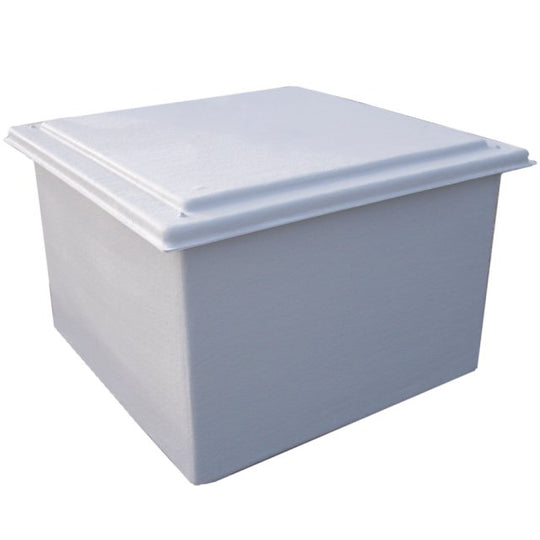
751 Litre GRP Hot Water Tank, Insulated 50mm
POAPrice on applicationView product
750 Litre GRP Hot Water Tank, Insulated 50mm
POAPrice on applicationView product
909 Litre GRP Hot Water Tank, Insulated 50mm
POAPrice on applicationView product
1000 Litre GRP Hot Water Tank, Insulated 50mm
POAPrice on applicationView product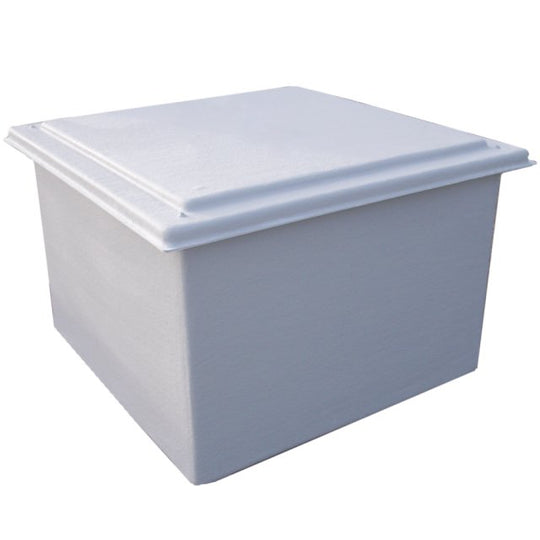
1135 Litre GRP Hot Water Tank, Insulated 50mm
POAPrice on applicationView product
1220 Litre GRP Hot Water Tank, Insulated 50mm
POAPrice on applicationView product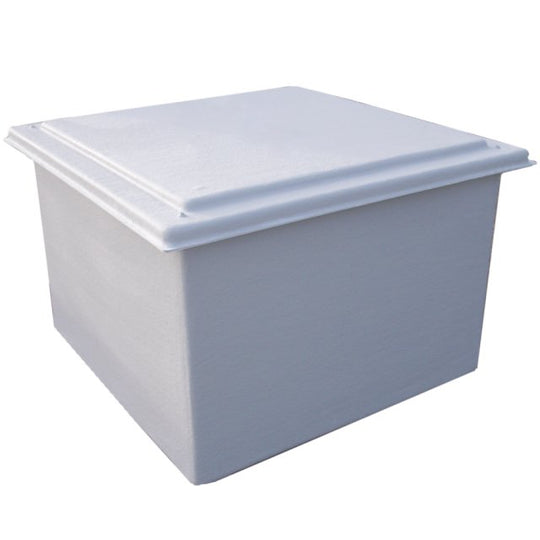
1364 Litres GRP Hot Water Tank, with 50mm Insulation
POAPrice on applicationView product


Talk to a
specialist
Sizing, regulations, installation. Our team has been answering these questions for over 25 years.
GRP hot water tanks are Glass Reinforced Plastic tanks that are ideal for both residential and commercial applications. These tanks are engineered to deliver exceptional resistance to corrosion and impact, making them a perfect choice for environments where strength and longevity are crucial.
Our GRP hot water tanks are available in various sizes and capacities, ensuring that you find the perfect match for your needs.
Each GRP hot water tank in our collection is manufactured using advanced techniques, resulting in products that are not only lightweight but also incredibly strong. This construction ensures that the tanks can withstand high pressures and harsh conditions without deteriorating. Whether you need a tank for a large commercial installation or a smaller domestic system, our tanks are engineered to offer reliable performance and long-lasting service. Our GRP tanks also feature advanced insulation that helps maintain water temperature effectively, reducing energy consumption and lowering heating costs.
To complement your GRP hot water tank and ensure optimal system performance, consider adding an expansion tank. Expansion tanks are crucial for managing pressure within your hot water system, helping to prevent potential damage and extend the lifespan of your equipment. By incorporating an expansion tank, you can achieve a more balanced and efficient system overall.
GRP Hot Water Tanks FAQs
Are GRP hot water tanks suitable for storing potable water?
Yes, provided the tank is manufactured and certified to WRAS standards for use with wholesome water. Always check the specification sheet before ordering, as some GRP tanks in the wider range are built for non-potable or industrial applications only. If in doubt, ask us to confirm the WRAS status of a specific model before you buy.
How does a GRP tank compare to a polyethylene tank for hot water storage?
GRP tanks are generally more rigid and better suited to larger capacities or sectional construction, making them a good fit for commercial installations or where a tank needs to be built up on site. Polyethylene tanks tend to be lighter and cheaper for smaller domestic volumes but have less structural strength at scale. GRP's inherent resistance to corrosion and impact also gives it an edge in harsher environments or where longevity is a priority.
What size GRP hot water tank do I need for a domestic property?
This depends on the number of occupants, number of bathrooms and your household's typical hot water demand. As a rough guide, a family of four with a standard system will often need somewhere in the region of 150 to 250 litres, though larger properties or those with power showers may need more. We'd recommend checking your existing cylinder capacity as a starting point, or speaking to a heating engineer if you're changing your system type.
Do GRP hot water tanks need an expansion vessel fitted?
In most sealed (unvented) systems, yes — an expansion vessel is essential to accommodate the increase in water volume as it heats and to prevent excessive pressure building in the tank. Vented systems that feed from a header tank are less dependent on one, but it's still good practice to include appropriate pressure relief. Always follow the tank manufacturer's guidance and current Building Regulations Part G3 for unvented hot water storage.
Can GRP hot water tanks be installed outdoors or in unheated spaces?
GRP tanks handle exposure to the elements well thanks to their corrosion resistance, and many are suitable for external or plant room installation. However, hot water storage tanks should always be insulated adequately, and in colder locations, additional frost protection or lagging is worth considering to reduce heat loss and protect associated pipework. Check the specific product listing for guidance on indoor versus outdoor suitability.
What kind of maintenance do GRP hot water tanks require?
GRP tanks are low-maintenance by design, being resistant to rust and corrosion unlike traditional metal cylinders. Routine checks should still include inspecting seals, fittings, insulation and any expansion or pressure relief valves for wear. For unvented systems, an annual service by a competent engineer is a Building Regulations requirement, so factor this into your maintenance schedule regardless of tank material.