GrafRainwater Harvesting Systems
Graf harvesting systems.

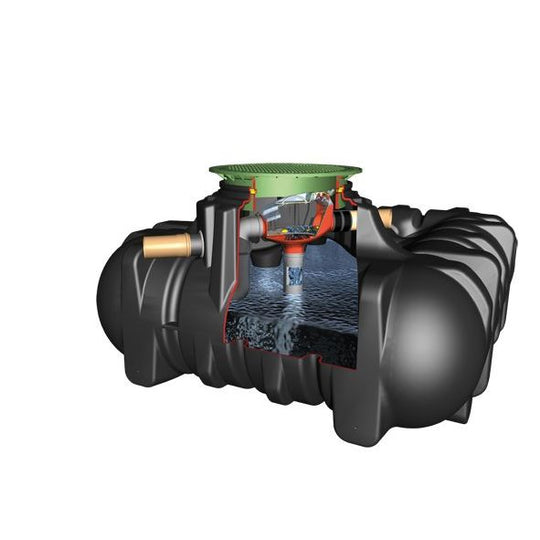
Platin Direct Complete Package 7500L
£3,332.00EX VAT · £3,998.40 INCView product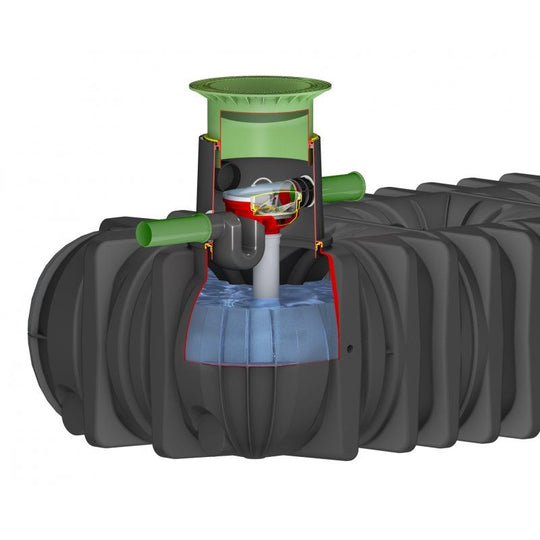
Platin AA Silentio Complete Package 3000L
£3,543.00EX VAT · £4,251.60 INCView product
Platin AA Silentio Complete Package 5000L
£3,875.00EX VAT · £4,650.00 INCView product
Platin AA Silentio Complete Package 7500L
£4,499.00EX VAT · £5,398.80 INCView product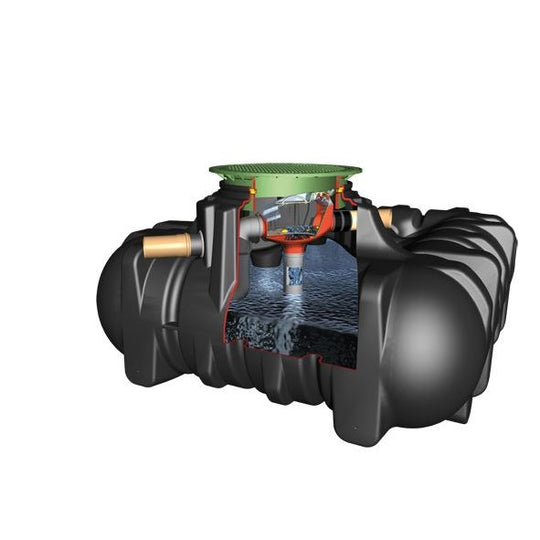
Platin Garden Comfort Complete Package 10000L
£4,705.00EX VAT · £5,646.00 INCView product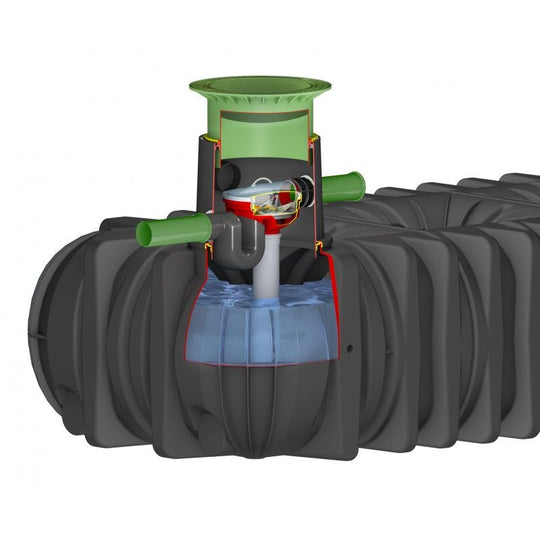
Platin Direct Complete Package 10000L
£4,898.00EX VAT · £5,877.60 INCView product
Platin Garden Comfort Complete Package 15000L
£6,030.00EX VAT · £7,236.00 INCView product
Platin AA Silentio Complete Package 10000L
£6,142.00EX VAT · £7,370.40 INCView product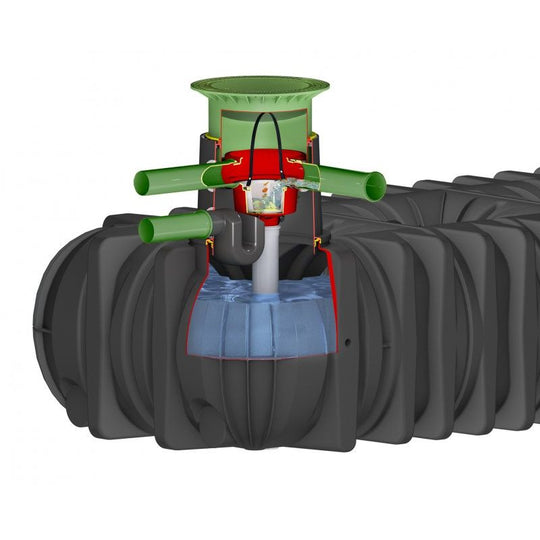
Platin Direct Complete Package 15000L
£6,221.00EX VAT · £7,465.20 INCView product


Talk to a
specialist
Sizing, regulations, installation. Our team has been answering these questions for over 25 years.
At Tanks Direct, our GRAF rainwater harvesting systems allow you to capture, store, and utilise rainwater for a wide range of applications. They come with advanced filtration technology that ensures the collected rainwater meets the highest quality standards, removing debris, contaminants, and ensuring clean, usable water for your chosen applications. By choosing a GRAF system, you're not just saving money €“ you're making a significant contribution to environmental sustainability, reducing your carbon footprint, and demonstrating a commitment to responsible water management.
From compact residential installations to large-scale commercial systems, these solutions are designed to seamlessly integrate into your existing infrastructure, capturing rainwater from roofs and other surfaces and filtering it for multiple uses such as garden irrigation, toilet flushing, and washing machines. Choose from a range of GRAF tank sizes, filtration options, and configuration styles or explore our above ground and underground rainwater harvesting tanks to find the perfect fit for your property.
Graf Rainwater Harvesting Systems FAQs
What size Graf rainwater harvesting tank do I need?
Sizing depends on your roof catchment area, average local rainfall, and intended use — a small garden-only system might suit a 2,500-4,000 litre tank, while a household using harvested water for toilets and washing machines typically needs 5,000-7,500 litres or more. Graf tanks range from compact garden units up to large underground cisistems for commercial or multi-occupancy properties. If you're unsure, our team can help you work through the calculation based on your roof size and demand.
Do Graf rainwater harvesting systems need to be installed underground?
Not necessarily — Graf offer both above-ground and underground tanks, so the right choice depends on available space, aesthetics, and how you plan to use the water. Underground tanks keep the water cooler and out of sight, which suits garden or driveway installations, whereas above-ground tanks are quicker to fit and easier to access for maintenance. Both are built from durable, UV-stabilised materials suited to permanent outdoor installation.
Is water from a Graf rainwater harvesting system safe to drink?
No — Graf rainwater harvesting systems are designed for non-potable use such as garden irrigation, toilet flushing and washing machine feed, not drinking water. The advanced filtration removes debris, leaves and coarse contaminants to keep the stored water clean for these purposes, but it isn't treated to WRAS wholesome water standard. If you need a supply for human consumption, a separate potable tank with appropriate treatment is required.
What filtration comes with a Graf rainwater harvesting tank?
Graf systems typically include an inlet filter that removes leaves, grit and debris before the water enters the tank, keeping sediment build-up to a minimum. Many models also feature calming inlets to prevent stirring up settled solids, and overflow arrangements that skim off any floating debris. This combination keeps stored water clean enough for garden use, WC flushing and appliance feed with minimal ongoing maintenance.
Can a rainwater harvesting system feed my toilets and washing machine as well as the garden?
Yes, Graf systems can be configured for whole-house non-potable use, feeding WCs and washing machines as well as outdoor taps, provided you fit the appropriate pump, control unit and pipework to keep this supply separate from your mains drinking water. This typically needs a dual plumbing system with clear labelling to meet water regulations. It's worth planning this in at build or renovation stage, as retrofitting indoor connections is more disruptive than an outdoor-only setup.
What's involved in installing an underground Graf rainwater tank?
Installation involves excavating a suitably sized pit, laying a level bed (usually pea gravel or concrete depending on the model and ground conditions), and backfilling correctly to avoid distorting the tank once installed. You'll also need to plan inlet and overflow pipe runs, access for the inspection cover, and power for the pump if fitted. Graf provide detailed installation guidelines for each tank, and we'd always recommend a groundworker experienced with tank installations handles the excavation and backfill.