FireSafety Accessories
Support your fire system.


2 1/2' Instantaneous Male x 1' BSP Male Adaptor
£58.50EX VAT · £70.20 INCView product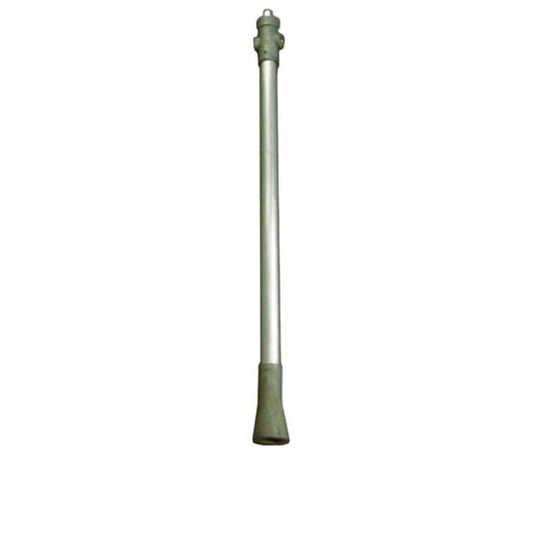
Hydrant Valve Key and Bar
£58.50EX VAT · £70.20 INCView product
Fire Extinguisher Cabinet Box, Front Loading
£59.56EX VAT · £71.47 INCView product
No1 Lever-Operated Fire Nozzle, Jet Spray
£209.63EX VAT · £251.56 INCView product
Contractors Standpipe with Single Bib Tap Double Check Valve
£92.63EX VAT · £111.16 INCView product
52mm Layflat Fire Hose Type 2 with fittings, Non Potable
£108.23EX VAT · £129.88 INCView product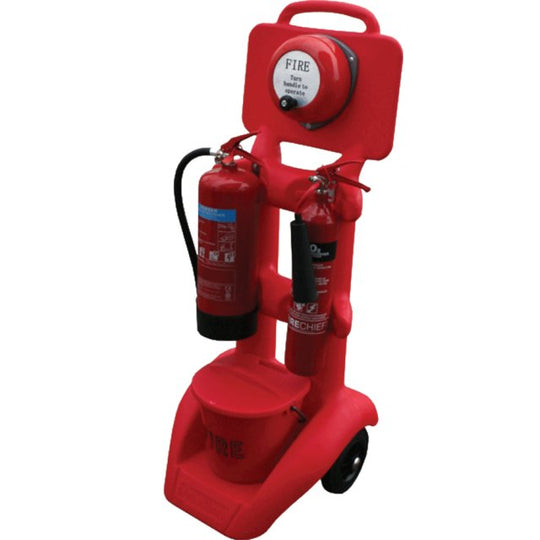
FireKart, Mobile Fire Point
POAPrice on applicationView product
64mm Layflat Fire Hose Type 2 with fittings, Non
£119.93EX VAT · £143.92 INCView product
52mm Layflat Fire Hose Type 3 with fittings, Non Potable
£138.45EX VAT · £166.14 INCView product
64mm Layflat Fire Hose Type 3 with fittings, Non Potable,red
£152.10EX VAT · £182.52 INCView product
Double Headed Swivel Standpipe with Twin Check Valve
£262.28EX VAT · £314.74 INCView product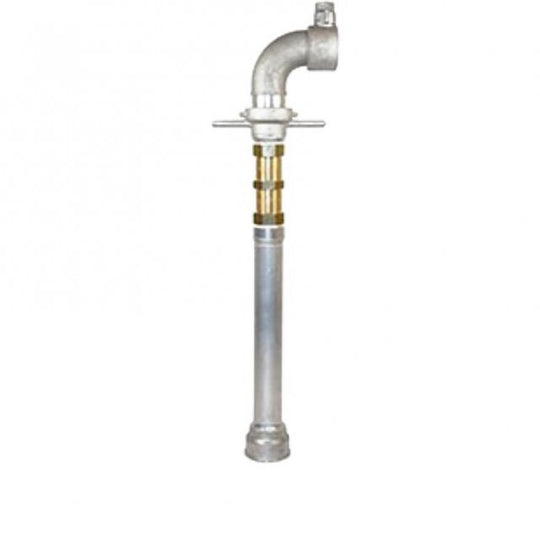
Single Headed Swivel Standpipe with Double Check Valve
£341.25EX VAT · £409.50 INCView product


Talk to a
specialist
Sizing, regulations, installation. Our team has been answering these questions for over 25 years.
Protect your property and those within it with our comprehensive range of fire safety products at Tanks Direct. Our fire points provide a vital connection between your water supply and firefighting equipment, ensuring a rapid response to any fire emergency. Choose from high-quality fire hoses and powerful jet spray fire nozzles, so you have everything you need to effectively combat flames. Our range of adaptors allows for compatibility with different equipment, while our extinguisher stands and storage solutions keep everything neatly in place and readily accessible.
At Tanks Direct, we are committed to providing you with the highest quality fire safety products and expert advice and our team is on hand to assist you in selecting the right equipment. We also offer flexible payment options with Mondu pay later and instalment plans, making it easier to invest in the protection of your property. Additionally, our price match guarantee ensures you'll be getting the best value for your money.
Fire Safety Accessories FAQs
What exactly is a "fire point" and what should it include?
A fire point is a designated location where firefighting equipment is stored ready for immediate use, typically connected to a water supply such as a hydrant, tank or bowser. A standard set-up includes a hose reel or lay-flat hose, a jet spray nozzle, suitable adaptors to connect to your water source, and clear signage so it can be found quickly in an emergency. Larger sites often have multiple fire points positioned at regular intervals around buildings or storage areas.
What length and diameter of fire hose do I need?
This depends on the distance from your water source to the areas you need to cover and the flow rate required. Standard lay-flat hoses are commonly supplied in 19mm, 25mm or 45mm bore, with lengths from 15m up to 30m or more for larger sites. As a rule of thumb, it's better to have slightly more hose than you think you'll need — running short in an emergency isn't an option, but coiled excess is easily managed.
Do fire hose couplings and adaptors all fit the same way?
No — coupling standards vary between instantaneous, BSP threaded and storz fittings, and older equipment may not match newer stock. Our adaptor range is designed to bridge these differences, letting you connect hoses, nozzles and hydrant outlets that wouldn't otherwise be compatible. If you're unsure what fitting your existing kit uses, send us the details or a photo and we'll confirm the right adaptor.
Are jet spray nozzles suitable for all types of fire, or just water-based firefighting?
Jet spray nozzles are designed for use with a water supply and are effective on Class A fires involving solid combustibles such as wood, paper and textiles. They're not suitable for electrical, oil or chemical fires, where the appropriate extinguisher type should always be used instead. Many nozzles offer an adjustable pattern between a solid jet for reach and a fog spray for cooling and knockdown.
Where should extinguisher stands be positioned, and are there any regulations to follow?
Extinguishers should be sited on escape routes, near fire exits, or adjacent to specific hazards, and mounted at a height that's accessible without stooping or stretching — usually with the handle around 1 metre from the ground. BS 5306 and workplace fire safety guidance recommend they're clearly visible, unobstructed, and identifiable at a distance, which is where a proper stand or wall bracket helps rather than leaving units on the floor. Stands also keep extinguishers off damp ground, reducing corrosion on the base.
Can fire safety accessories be left outdoors, or do they need weatherproof storage?
Hoses, nozzles and extinguishers left exposed to the elements will degrade faster — UV can perish rubber seals and moisture can corrode metal fittings and extinguisher casings. We'd recommend a weatherproof cabinet or storage box for any equipment kept outside, particularly at fire points near tanks, bowsers or hydrants in exposed yard locations. This also keeps everything together and clearly identifiable when every second counts.