ETRange
ET separator range.

Charles Austen ET100-120 Filter
£4.36EX VAT · £5.23 INCView product
Charles Austen ET60-80 Filter
£4.36EX VAT · £5.23 INCView product
Blower Housing (Complete)
£63.54EX VAT · £76.25 INCView product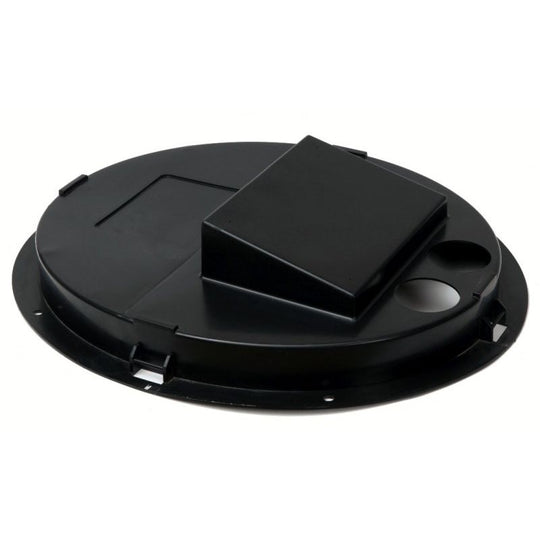
Blower Housing Base
£46.91EX VAT · £56.29 INCView product
Aeration Blower Housing Clips
£0.62EX VAT · £0.74 INCView product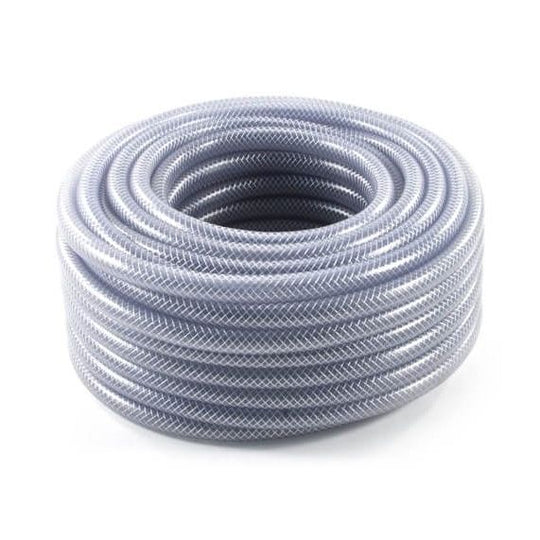
3/4' Clear Braided Hose SOLD PER METRE
£4.56EX VAT · £5.47 INCView product
1/2' Clear Braided Hose SOLD PER METRE
£2.14EX VAT · £2.57 INCView product


Talk to a
specialist
Sizing, regulations, installation. Our team has been answering these questions for over 25 years.
ET Range FAQs
What size ET Range treatment plant do I need for my property?
ET Range sewage treatment plants are sized by Population Equivalent (PE) — essentially the number of bedrooms plus one, as a standard rule of thumb. A typical four-bedroom house would need a 5PE unit, but if you're on a plot with holiday lets, annexes or future extensions planned, it's worth sizing up. Our team can help confirm the right model against your daily flow and occupancy.
Do I need permission to install an ET Range treatment plant?
Most domestic ET Range installations fall under permitted development, but you will need an Environment Agency permit or exemption if discharging to a watercourse or soakaway, and building regulations sign-off (Part H) applies regardless. If you're replacing an existing septic tank in a Non-Mains Sewerage Discharge area, check whether the 2020 general binding rules affect your discharge point. We'd always recommend confirming requirements with your local authority and the EA before ordering.
Are ET Range plants powered, and what happens in a power cut?
Yes, ET Range units use an electric blower or aerator to treat effluent biologically, so they do require a mains power supply run out to the tank. Short power interruptions won't cause failure — the biomass survives brief outages fine — but prolonged cuts of several days can affect treatment quality and may need the tank checking afterwards. An alarm panel is fitted as standard to flag any fault or power loss.
How often does an ET Range tank need emptying or servicing?
Desludging is typically needed once a year, though this varies with occupancy and usage patterns, and a competent tanker operator can advise based on sludge levels at each visit. Beyond desludging, an annual service by a qualified engineer keeps the blower, diffusers and control panel running correctly and is usually required to maintain the manufacturer's warranty. Skipping servicing is the most common cause of premature failure or poor effluent quality.
What's involved in installing an ET Range tank below ground?
Installation follows standard GRP/polyethylene tank practice — a level, compacted pea-shingle base, backfilling in stages alongside water or ballast filling to prevent flotation or shell distortion, and correct depth-of-cover checks against the manufacturer's installation guide. Ground conditions matter: high water tables or poor access may call for anti-flotation measures or a concrete surround. We'd always suggest using an installer familiar with treatment plants rather than a generic groundworker.
Can an ET Range plant replace an old septic tank on the same site?
In many cases, yes — treatment plants are a common upgrade path from septic tanks, particularly where the discharge is to a watercourse rather than a soakaway, as required under the general binding rules. You'll usually need a new discharge pipe run and possibly a different outfall point, since treatment plants produce a cleaner effluent than a septic tank. It's worth having a site survey done first to confirm the existing pipework and levels will work with the new unit.