Ecosure
Ecosure tank range.

20,000 Litre Water tank
£2,310.00EX VAT · £2,772.00 INCView product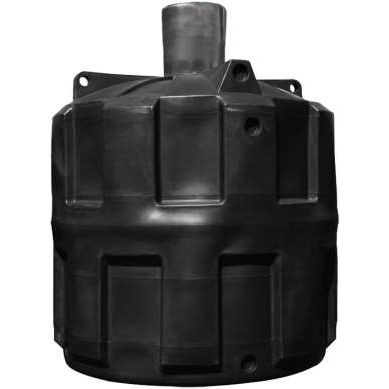
7000 Litre Underground Potable Water Tank
£2,350.00EX VAT · £2,820.00 INCView product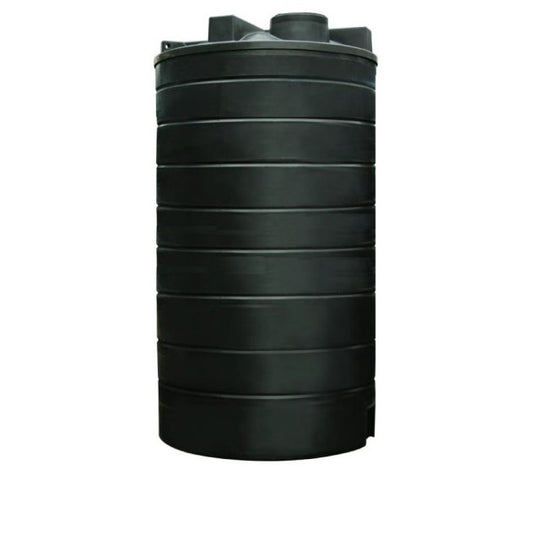
25,000 Litre Water tank, Non-Potable
£2,795.00EX VAT · £3,354.00 INCView product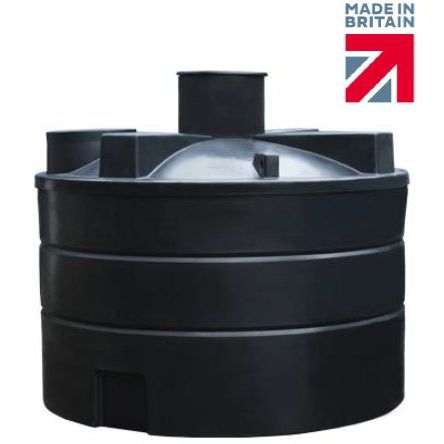
10,000 Litre Underground Potable Water Tank
£3,255.00EX VAT · £3,906.00 INCView product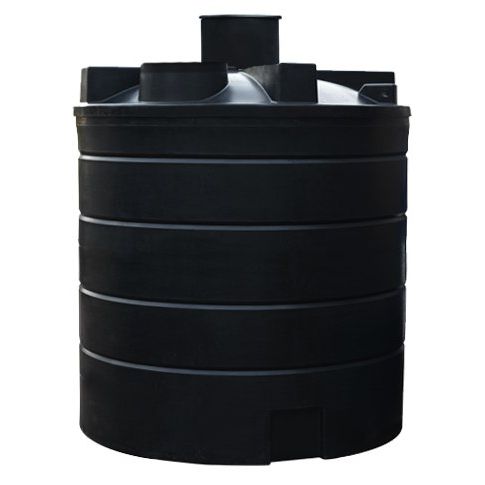
15,000 Litre Underground Potable Water Tank
£3,975.00EX VAT · £4,770.00 INCView product

Talk to a
specialist
Sizing, regulations, installation. Our team has been answering these questions for over 25 years.
Ecosure FAQs
What size Ecosure sewage treatment plant do I need?
Ecosure plants are sized by population equivalent (PE) — essentially the number of people the property regularly houses, not just bedrooms. As a rule of thumb, count permanent occupants plus a margin for guests, and always round up rather than down if you're between sizes. If you're extending the property or adding an annexe, factor that into the PE now rather than replacing the plant later.
Does an Ecosure treatment plant need mains electricity?
Yes, Ecosure plants use an air blower to feed oxygen to the biological treatment process, so a permanent electricity supply to the unit is required. Running costs are modest — typically comparable to a small household appliance — but a power cut will pause treatment, not cause a failure, and the system recovers once supply resumes. Where mains power isn't practical, speak to us about alternative treatment options before ordering.
Do I need planning permission or a permit to install one?
Most domestic sewage treatment plants installed to replace a septic tank or existing system are covered by permitted development, but you'll need to register the discharge with the Environment Agency (or SEPA/NRW) if it goes to a watercourse rather than a soakaway. If you're within 30 metres of a watercourse, in a groundwater source protection zone, or the site has specific constraints, check requirements before you dig. We can advise on what applies to your installation but the formal permit application is your responsibility.
How often does an Ecosure plant need emptying and servicing?
Desludging is typically needed once a year for most households, though this varies with occupancy and usage — your installer or a tanker operator can check sludge levels annually and adjust accordingly. The plant also needs an annual service to check the blower, diffusers and moving parts, which keeps the biological process working efficiently and protects your warranty. Skipping servicing is the most common cause of poor effluent quality and blower failure.
Can an Ecosure sewage treatment plant be installed under a driveway or in a garden with a high water table?
Tanks can be installed under trafficked areas, but you'll need the correct traffic-rated cover and, in most cases, a concrete surround or slab to spread the load — check the specific model's installation guide as requirements differ by size. In areas with a high water table, the tank must be anti-flotation anchored (typically a concrete base with strapping) to stop it lifting once empty. Get a proper site assessment and percolation test done before committing to a location, especially if drainage to a soakaway is planned.
What's the difference between the Ecosure range and a traditional septic tank?
A septic tank simply separates solids and lets partially-treated effluent discharge to a drainage field, relying on the ground to do further treatment. Ecosure plants add mechanical aeration and biological treatment stages, producing a much cleaner effluent that can often be discharged directly to a watercourse where a septic tank could not (subject to permit). This makes Ecosure plants the practical choice where there's no suitable drainage field or where discharge consent rules are stricter.