DosingTanks
Controlled chemical dosing storage.


31 Litre Dosing Tank Bund
£24.50EX VAT · £29.40 INCView product
25 Litre Water Dosing Tank
£42.00EX VAT · £50.40 INCView product
55 Litre Dosing Tank Bund
£54.50EX VAT · £65.40 INCView product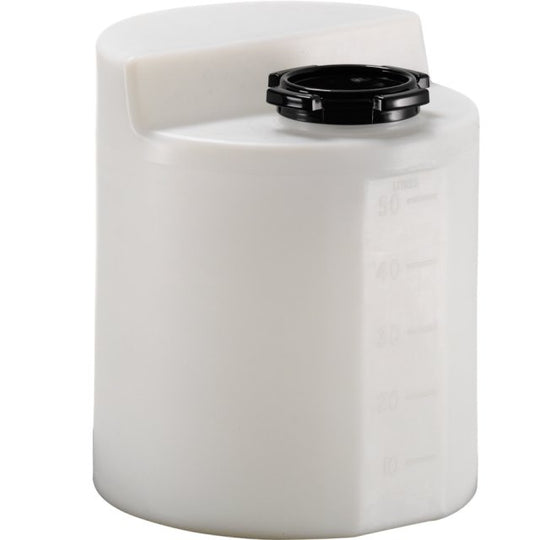
50 Litre Water Dosing Tank
£56.75EX VAT · £68.10 INCView product
110 Litre Dosing Tank Bund
£66.55EX VAT · £79.86 INCView product
100 Litre Dosing Tank
£72.00EX VAT · £86.40 INCView product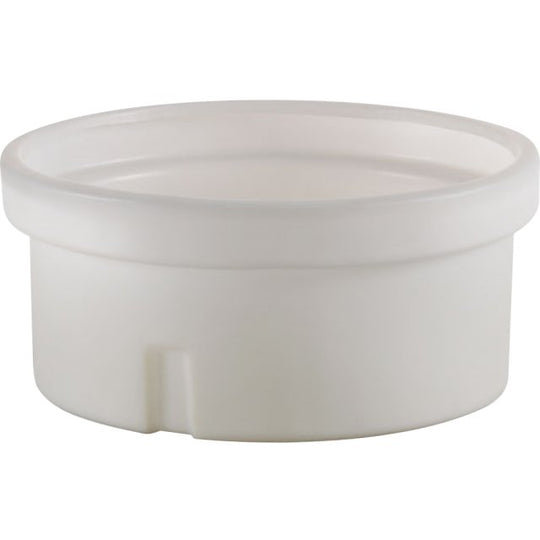
220 Litre Dosing Tank Bund
£84.10EX VAT · £100.92 INCView product
Enduramaxx 50 Litre Chemical Dosing Tank
POAPrice on applicationView product
200 Litre Dosing Water Tank
£88.50EX VAT · £106.20 INCView product
330 Litre Dosing Tank Bund
£93.55EX VAT · £112.26 INCView product
Enduramaxx 100 Litre Chemical Dosing Tank
POAPrice on applicationView product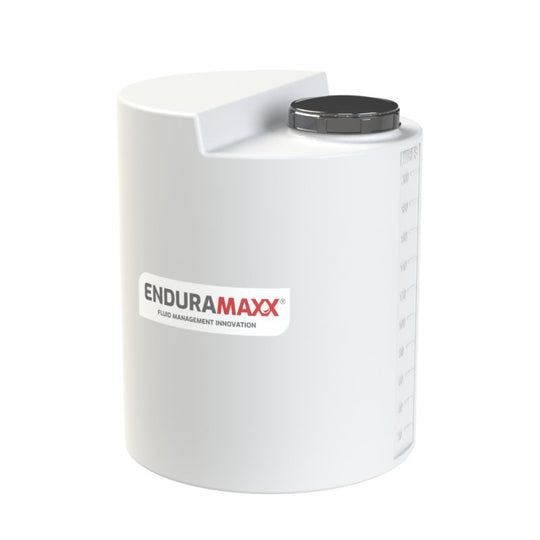
Enduramaxx 200 Litre Chemical Dosing Tank
POAPrice on applicationView product
300 Litre Dosing Tank
£127.00EX VAT · £152.40 INCView product
550 Litre Dosing Tank Bund
£143.50EX VAT · £172.20 INCView product
300 Litre Dosing Water Tank
£163.00EX VAT · £195.60 INCView product
Enduramaxx 300 Litre Chemical Dosing Tank
£164.00EX VAT · £196.80 INCView product


Talk to a
specialist
Sizing, regulations, installation. Our team has been answering these questions for over 25 years.
Our range of shapes/sizes of dosing tanks is from 25L to 1000L, some are available in different colors, please see individual products for details.
Dosing Tanks FAQs
What is a dosing tank used for?
A dosing tank temporarily holds effluent or waste-water before releasing it in controlled batches, typically to a drainage field, mound system or sewage treatment plant. This “dosing” action, usually via a pump and float switch arrangement, ensures the receiving system isn't overwhelmed and disperses flow evenly across the full area rather than one spot. They're commonly fitted after a septic tank or treatment plant where the site conditions demand it.
How do I work out what size dosing tank I need?
Sizing depends on your dose volume requirement, pump cycle frequency and any buffer capacity needed in case of power cuts or high inflow. As a guide, the tank should hold at least one full dose plus reserve capacity, with your treatment plant or drainage field designer specifying the exact dose volume. If you're unsure, check your system's design specification or consult your installer before ordering.
Are dosing tanks suitable for above or below ground installation?
Most dosing tanks in our range can be installed either above or below ground, but this varies by model so always check the individual product listing. Below-ground tanks need to be rated for the burial depth and groundwater conditions on site, and may require a concrete surround or anti-flotation measures. Above-ground installation is simpler but you'll need to consider frost protection and access for maintenance.
What material are dosing tanks made from?
Our dosing tanks are typically manufactured from polyethylene (MDPE) or GRP (fibreglass), both of which resist corrosion from effluent and chemicals. Polyethylene tanks are lighter and cost-effective for smaller volumes, while GRP tends to be used for larger or below-ground installations needing extra structural strength. Neither material degrades in contact with waste-water, so either is a durable long-term choice.
Do dosing tanks come with pumps and controls fitted?
Some dosing tanks are supplied as an empty vessel only, while others come pre-fitted with a pump, float switches and control panel — check the individual product description for what's included. If buying a bare tank, you'll need to source a suitable submersible pump and level controls separately, sized to match your dose volume and delivery head. We'd always recommend an alarm float as standard, to warn of high level in case of pump failure.
Do I need building regulations approval to install a dosing tank?
Dosing tanks forming part of a septic tank or sewage treatment system fall under Building Regulations Part H and, in England, the General Binding Rules for small sewage discharges. You may also need an Environment Agency permit if discharging to a watercourse rather than a drainage field. It's worth checking with your local authority or the Environment Agency before installation, particularly for new systems rather than like-for-like replacements.