CylinderAccessories
Complete your cylinder install.
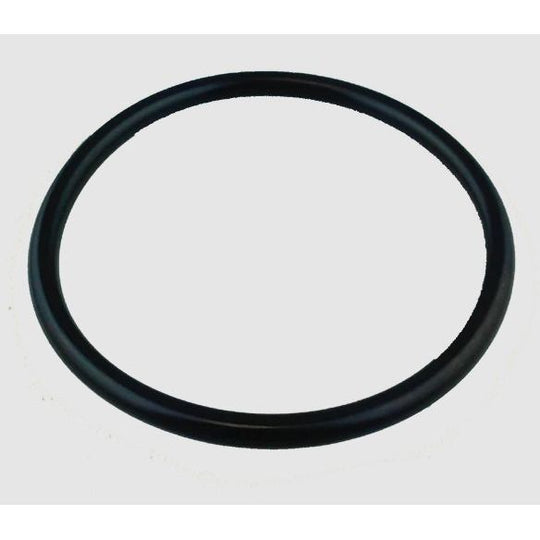
O Ring Seal (single) for 1 3/4'
£3.15EX VAT · £3.78 INCView product
3 CORE MOLEX CABLE
£4.80EX VAT · £5.76 INCView product
Hot Water Cylinder Lid
£17.19EX VAT · £20.63 INCView product
Boiler Control Cylinder ThermoStat
£17.89EX VAT · £21.47 INCView product
6 Bar Expansion Relief Valve
£25.17EX VAT · £30.20 INCView product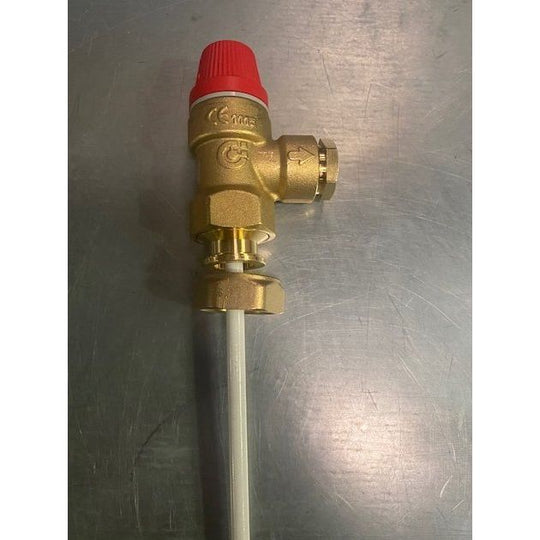
XE Temperature & Pressure Relief Valve (10bar)
£28.61EX VAT · £34.33 INCView product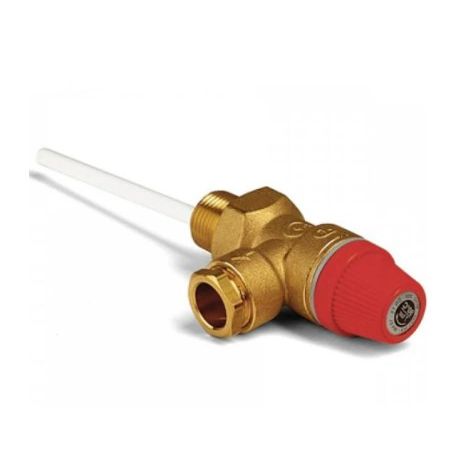
Temperature & Pressure Relief Valve (7 bar)
£28.61EX VAT · £34.33 INCView product
Immersion Heater (TRIBUNE XE / ULTRASEAL TYPE)
£43.34EX VAT · £52.01 INCView product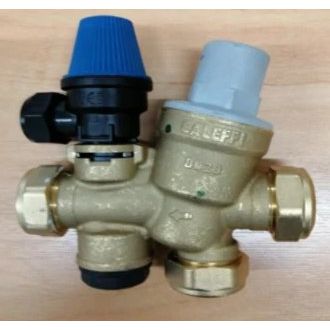
Altecnic Inlet Control Group 6 Bar
£49.25EX VAT · £59.10 INCView product
DUAL AQUASTAT THERMOSTAT
£59.76EX VAT · £71.71 INCView product
2.1 Bar Inlet Control
£95.16EX VAT · £114.19 INCView product
Smart Immersion Heater 3kw 14'
£106.10EX VAT · £127.32 INCView product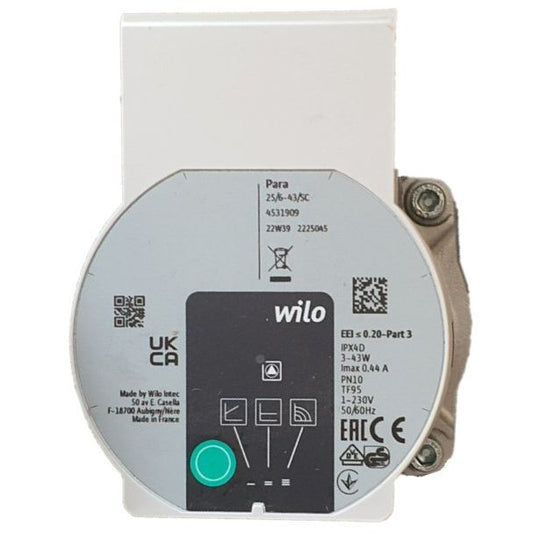
Wilo Heat Circulating Pump
£122.64EX VAT · £147.17 INCView product


Talk to a
specialist
Sizing, regulations, installation. Our team has been answering these questions for over 25 years.
Your cylinder is the heart of your hot water system, and its performance depends on the quality of the parts and accessories that support it. So, whether you're troubleshooting a problem or upgrading your system, at Tanks Direct we have the solutions you need.
We offer a range of external expansion vessels in a range of sizes to accommodate water expansion, preventing damage to your cylinder. For faster hot water delivery, our heat circulating pumps are essential. Or why not maximise the power of the sun with a solar pump station? To ensure your cylinder functions optimally, our high-quality Molex cables are crucial for reliable connections. Precise temperature control is achieved with our accurate thermostats, while our cylinder lids and seals safeguard your water supply. Our relief valves protect against excessive pressure, while our inlet controls manage water flow into your cylinder, preventing issues like cold water stratification.
Our price match guarantee ensures you'll always be getting the best deal. Plus, our expert team is always on hand to offer advice and support.
Cylinder Accessories FAQs
How do I choose the right size expansion vessel for my cylinder?
Expansion vessel size depends on the volume of your cylinder and the pressure of your incoming mains supply, not just tank capacity alone. As a rule of thumb, an 8–12 litre vessel suits most unvented cylinders up to 300 litres, but always check the cylinder manufacturer's specification first. Fitting an undersized vessel is one of the most common causes of a tundish dripping or a pressure relief valve lifting prematurely.
Can I replace a faulty expansion vessel myself, or does it need a qualified installer?
On an unvented hot water cylinder, any work on the expansion vessel, relief valves or associated pipework falls under Building Regulations G3 and must be carried out by a competent person registered under a scheme such as WIAPS or Part L. This isn't just red tape — unvented systems are pressurised and can be dangerous if worked on incorrectly. A registered installer will also need to notify the work to building control.
What does a cylinder thermostat actually control, and how accurate should it be?
A cylinder thermostat monitors stored water temperature and switches the immersion heater or heat source on and off to maintain your set point, typically around 60°C to guard against legionella while limiting scale build-up. Look for a thermostat accurate to within 2–3°C, as excessive drift wastes energy and can cause nuisance cycling. Strap-on and pocket-mounted versions are both available depending on your cylinder type.
Why does my relief valve keep dripping or discharging water?
A dripping relief valve is usually a sign of excess pressure in the system, often caused by a failed or waterlogged expansion vessel rather than a fault with the valve itself. Mains pressure that's too high, or a valve past its service life, can also be to blame. It's worth checking the expansion vessel's pre-charge pressure before assuming the valve needs replacing, as valves are often condemned unnecessarily.
What's the benefit of adding a solar pump station to my cylinder setup?
A solar pump station circulates heat-transfer fluid between your solar thermal collectors and a twin-coil cylinder, allowing you to preheat hot water using free solar energy before your boiler or immersion tops up the temperature. Most stations include the circulation pump, flow meter, isolation valves and safety gauges in one compact unit, simplifying installation and future servicing. This can meaningfully cut water heating costs over the summer months, though output will vary with UK weather and collector size.
Do cylinder lids and seals need replacing periodically, and what should I check for?
Yes — lids and seals perspire wear over time from repeated heating and cooling cycles, and a perished seal can allow leaks or air ingress that affects system pressure. Check periodically for cracking, hardening or visible gaps around the seal, particularly if you notice damp around the cylinder base. Always match the replacement lid and seal to your cylinder's exact make and diameter, as fitments are not universal across manufacturers.