Craemer
Craemer range.
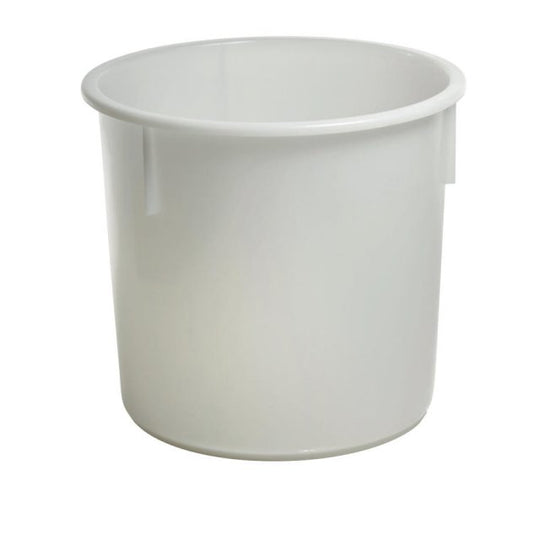
200 Litre Heavy Duty Bin, Pack of 4
£362.00EX VAT · £434.40 INCView product
90 Litre Mortar Tub, Pack of 10
£426.00EX VAT · £511.20 INCView product
20kg / 35 Litre Fish Boxes, Pack of 20, White
£426.00EX VAT · £511.20 INCView product
25kg / 40 Litre Euro Fish Boxes, Pack of 20, Blue
£440.00EX VAT · £528.00 INCView product
25kg / 40 Litre Euro Fish Boxes, Pack of 20, White
£440.00EX VAT · £528.00 INCView product
50kg / 75 Litre Fish Boxes, Pack of 20, Blue
£442.00EX VAT · £530.40 INCView product
50kg / 75 Litre Fish Boxes, Pack of 20, White
£442.00EX VAT · £530.40 INCView product
90 Litre Mortar Tub with Steel Frame, Pack of 10
£1,179.00EX VAT · £1,414.80 INCView product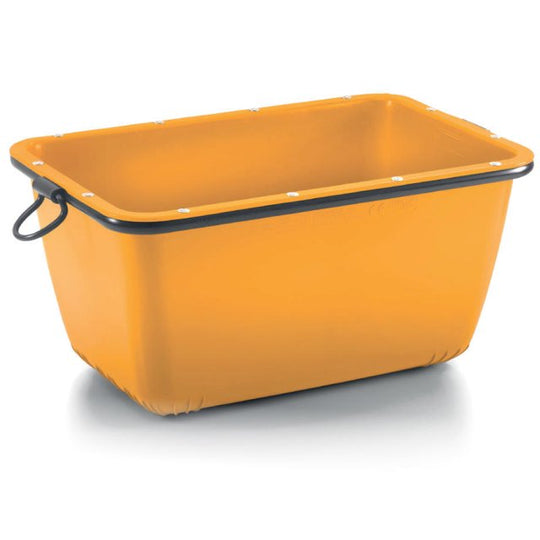
200L Mortar Skip (Pack of 10)
£1,387.00EX VAT · £1,664.40 INCView product


Talk to a
specialist
Sizing, regulations, installation. Our team has been answering these questions for over 25 years.
Craemer FAQs
What is Craemer and what makes their tanks different?
Craemer is a German manufacturer with decades of experience in rotationally-moulded polyethylene tanks, known for consistent wall thickness and robust construction. Their tanks are widely used across Europe for potable water storage, rainwater harvesting and chemical/liquid storage. The build quality tends to be reflected in tighter tolerances and UV-stabilised material as standard.
Are Craemer tanks suitable for drinking water storage?
Many Craemer tanks in our range are manufactured to WRAS-approved standards, making them suitable for potable water storage. Always check the specific product listing to confirm WRAS approval before ordering, as not every tank in the collection is rated for wholesome water. If in doubt, ask us to confirm the certification for the exact model you need.
Can Craemer tanks be installed below ground?
Some Craemer tanks are designed specifically for underground installation and include ribbed or reinforced walls to handle ground and groundwater pressure. Others are above-ground only and will deform or fail if buried. Check the product specification carefully, and if installing below ground always follow the manufacturer's backfill and excavation guidance to avoid tank collapse.
What size Craemer tank do I need for rainwater harvesting?
Sizing depends on roof catchment area, local rainfall and intended use — garden irrigation typically needs less capacity than whole-house non-potable supply. As a rough guide, domestic systems often use tanks between 1,000 and 5,000 litres, while larger commercial or agricultural setups may need significantly more. We're happy to help you work through the calculation if you give us your roof area and intended use.
How are Craemer tanks delivered and do I need special access?
Craemer tanks are delivered on palletised or kerbside delivery depending on size, with larger tanks requiring a suitable hard, flat unloading area and sometimes a HIAB or crane-offload vehicle. Access requirements — narrow lanes, tight gateways, overhead cables — should be flagged at the point of order to avoid delivery issues. Someone capable of assisting with unloading should be available on site as drivers can't always manoeuvre large tanks alone.
Do Craemer tanks need planning permission or building regulations approval?
Most above-ground domestic water tanks don't need planning permission, but this can vary with size, location and whether you're in a conservation area — check with your local authority if unsure. Below-ground tanks connected to drainage or sewage systems may fall under building regulations, particularly around setting distances, access for emptying and structural design. We recommend checking with your local building control officer before installation if the tank forms part of a wastewater or septic system.