BoatTanks
Marine water and waste storage.
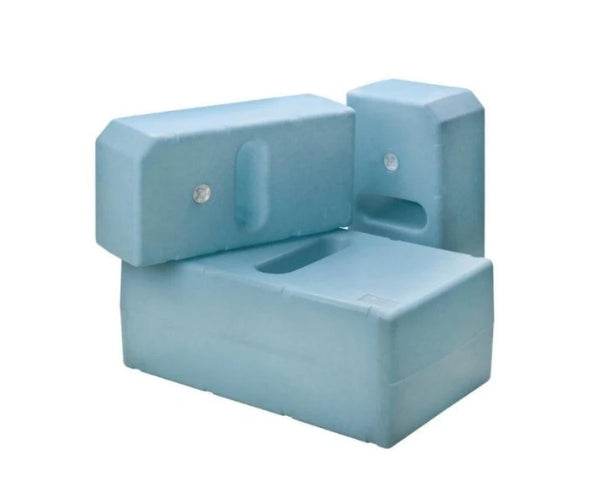

170 Litre Vetus Rigid Water Tank, Potable
£255.00EX VAT · £306.00 INCView product
170 Litre Vetus Rigid Waste Water Tank
£255.00EX VAT · £306.00 INCView product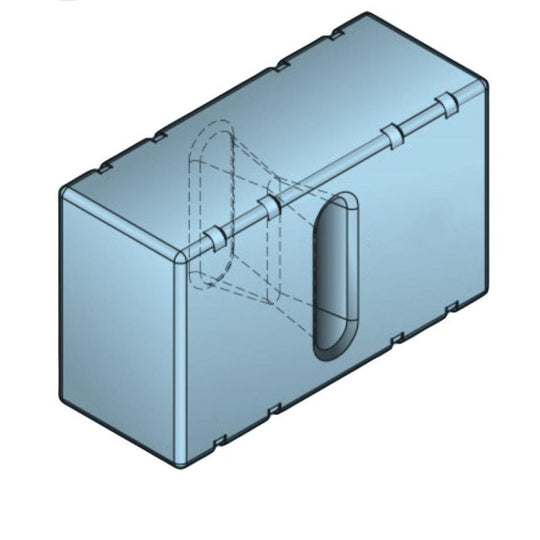
210 Litre Vetus Rigid Waste Water Tank
£335.00EX VAT · £402.00 INCView product
210 Litre Vetus Rigid Water Tank, Potable
£335.00EX VAT · £402.00 INCView product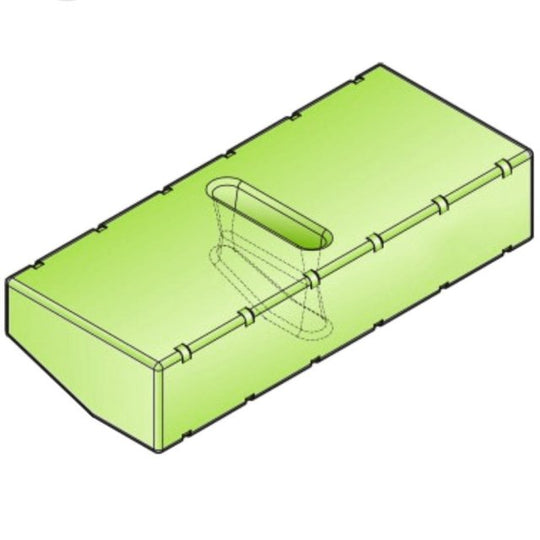
335 Litre Vetus Rigid Water Tank, Potable
£525.00EX VAT · £630.00 INCView product
330 Litre Vetus Rigid Waste Water Tank
£525.00EX VAT · £630.00 INCView product
390 Litre Vetus Rigid Water Tank, Potable
£575.00EX VAT · £690.00 INCView product
390 Litre Vetus Rigid Waste Water Tank
£575.00EX VAT · £690.00 INCView product


Talk to a
specialist
Sizing, regulations, installation. Our team has been answering these questions for over 25 years.
Whether you're planning a long sailing journey or a day on the water, these flexible and lightweight water tanks for boats offer a reliable means of carrying essential liquids without compromising the vessel's performance or aesthetics. Made from flexible and durable materials such as reinforced polyurethane or PVC, these boat tanks are specifically designed to fit into the often limited and irregular spaces found on boats.
The flexible nature of boat tanks allows them to conform to the available space on a boat, whether it's within compartments, under seats, or in irregularly shaped storage areas, and provide a compact and convenient way to store fresh water for drinking, cooking, and other onboard needs. Whether you're a sailor, fisherman, or recreational boater, boat bladder tanks offer a practical solution to meet your specific liquid storage needs while maintaining the vessel's overall design and functionality.
Available in a variety of shapes and capacities, ranging from 40 to 300 litres, our boat tanks come with secure fastening mechanisms and reinforced corners to ensure stability during rough sea conditions. The flexibility of the material also aids in easy removal and storage when the tank is not in use, allowing for efficient space management on board.
Boat Tanks FAQs
Are boat bladder tanks safe for drinking water?
Only if the tank is made from a WRAS-approved material rated for potable use — check this before fitting, as not all flexible tanks are food-grade. Tanks intended for fresh drinking water should be free from taste or odour transfer and easy to sanitise. If you're storing water for washing or ballast only, a non-potable grade is perfectly adequate.
How do I work out what size and shape tank I need?
Measure the void you're filling — under a berth, in a locker, or a hull cavity — in its collapsed and fully expanded state, as flexible tanks need room to bulge once filled. Capacities typically run from 40 to 300 litres, so weigh this against your crew size, trip length and the vessel's payload limits. It's worth choosing a shape that matches the compartment rather than the largest tank that will technically fit, as overfilled bladders can strain fixing points.
How are flexible boat tanks fitted and secured?
Most bladder tanks come with reinforced eyelets or webbing loops at the corners so they can be strapped or lashed down inside a locker or compartment. They should be secured on all sides to stop movement in rough water, as an unsecured tank can chafe against fittings or block bilges if it shifts. Fit inlet, outlet and vent hose connections before final tightening, since access gets tighter once the tank is strapped in place.
What's the difference between PVC and polyurethane boat tanks?
Reinforced PVC is generally lighter and more cost-effective, making it popular for day boats and shorter trips. Polyurethane offers better abrasion and puncture resistance along with greater flexibility in cold conditions, which suits long-distance or offshore sailing where the tank will flex repeatedly. Both are durable when properly installed, so the choice usually comes down to how hard the tank will be worked and the conditions expected.
Can the same tank be used for fuel or waste rather than fresh water?
No — tanks are manufactured and lined for a specific liquid, and fuel, waste and fresh water each need different material compatibility and fittings. Using a fresh water tank for diesel or grey water risks contamination and can degrade the tank lining. Always check the intended use stated by the manufacturer before installation.
How should I clean and store a boat tank over winter?
Drain fully and flush with a mild sterilising solution before laying up, then rinse thoroughly to remove any residue that could taint water next season. Store the tank empty, loosely folded and in a dry location away from sharp edges or rodents, as flexible materials can crack if creased tightly for long periods. Check fittings and seams for wear before refitting in spring.