BallValve / Taps
Isolation and draw-off.

2' BSP Ball Valve
POAPrice on applicationView product
3' Female BSP Ball Valve
POAPrice on applicationView product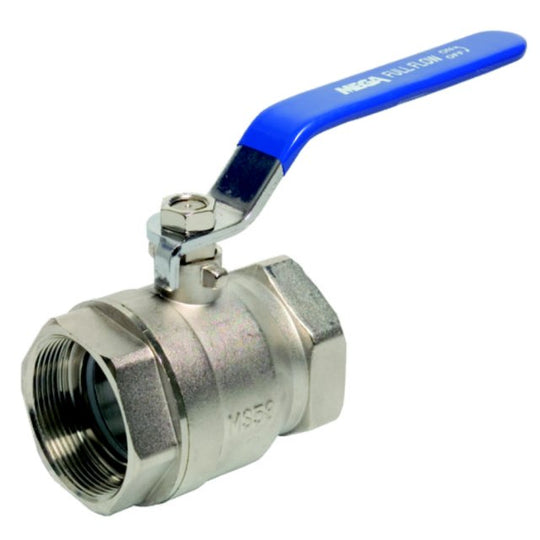
2' Ball Valve Stainless Steel
POAPrice on applicationView product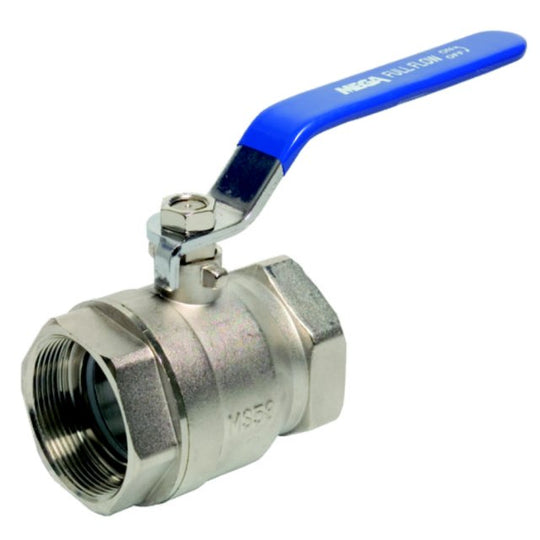
3' Ball Valve Stainless Steel 76mm
POAPrice on applicationView product
4' Ball Valve Stainless Steel 102mm
POAPrice on applicationView product


Talk to a
specialist
Sizing, regulations, installation. Our team has been answering these questions for over 25 years.
Ball Valve / Taps FAQs
What size ball valve do I need for my tank?
Ball valves are typically sized by inlet pipe diameter — ½", ¾" and 1" BSP are the most common for domestic and light commercial tanks. The right size depends on your incoming supply pipework and the fill rate required; undersized valves can leave a tank slow to refill after heavy use. Check your existing pipework or ask us to match the valve to your tank's inlet bung size.
Should I choose a brass or plastic float valve?
Brass valves are more durable, cope better with mains pressure fluctuations, and are the usual choice for potable water and higher-pressure applications. Plastic (often ABS or nylon) valves are lighter, corrosion-proof and perfectly adequate for rainwater harvesting or non-potable low-pressure setups. If the tank sees frequent use or high inlet pressure, brass is the safer long-term option.
What's the difference between high pressure and low pressure ball valves?
High pressure valves are designed for mains-fed supplies, typically above 3 bar, and use a smaller orifice to control flow without hammering. Low pressure valves have a larger orifice suited to gravity-fed or header tank systems where pressure is much lower. Fitting the wrong type can cause slow filling, valve chatter, or leaking, so match the valve to your actual supply pressure.
Do I need a WRAS-approved valve for a potable water tank?
Yes — any valve or tap fitted to a tank storing water for drinking or domestic use must be WRAS-approved to comply with the Water Supply (Water Fittings) Regulations. This ensures the materials in contact with water won't contaminate the supply or allow backflow. Non-potable applications such as irrigation don't carry this legal requirement, though WRAS parts are still fine to use.
How do I adjust the water level a float valve fills to?
Most float valves have an adjustable arm or a screw mechanism that raises or lowers the float, changing the point at which the valve shuts off. Bending the arm alters the level on basic types, while equilibrium and Torbeck-style valves usually have a more precise adjustable stop. Always leave adequate freeboard below the tank's overflow to avoid nuisance discharge.
What fitting or thread size will I need to connect a tap or valve to my tank?
Most tanks come with pre-fitted BSP-threaded bungs, commonly ½", ¾" or 1", so valves and taps need to match this thread to seal properly. If you're retrofitting a valve to an existing tank, check the bung size before ordering, and use PTFE tape or an appropriate sealant on all threaded connections. Where sizes don't match, a reducing bush can adapt a valve to a smaller or larger opening.