AboveGround Water Tanks
Surface storage, ready to site.

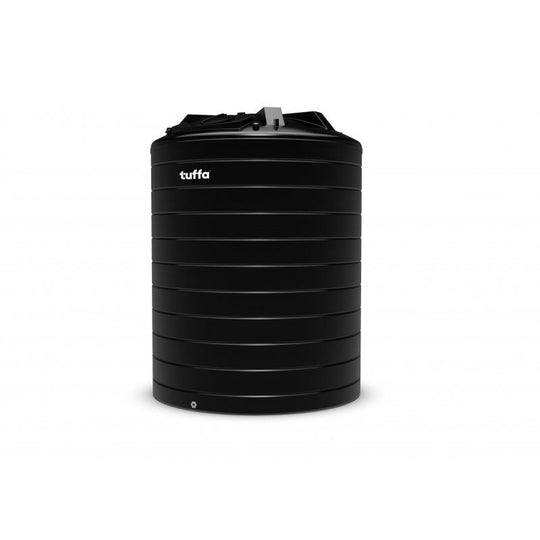
20,000 Litres Water Tank, Potable
£2,621.00EX VAT · £3,145.20 INCView product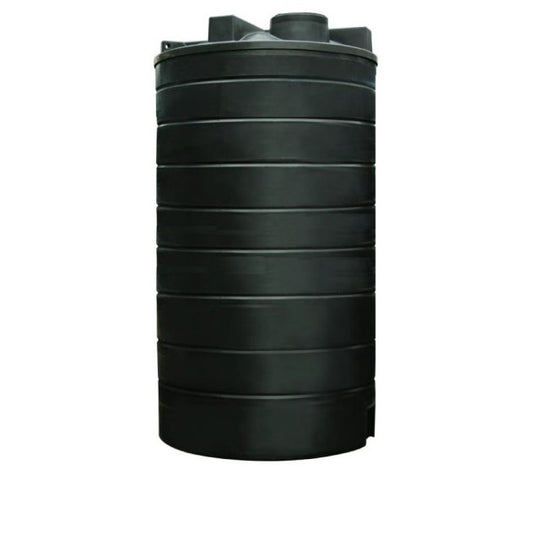
25,000 Litre Water tank, Non-Potable
£2,795.00EX VAT · £3,354.00 INCView product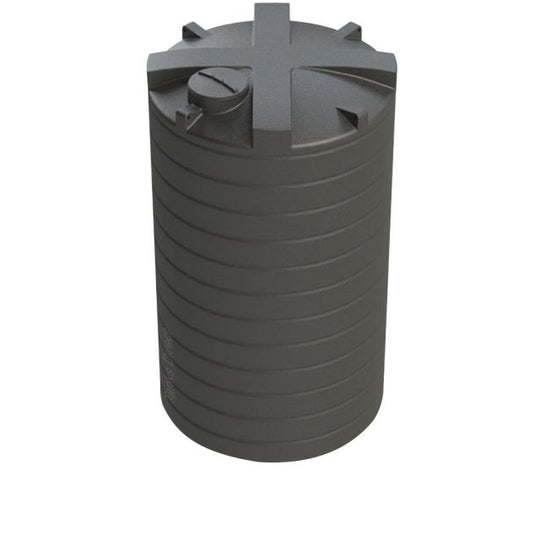
Enduramaxx 25,000 Litre Water Tank, Non Potable
£3,441.00EX VAT · £4,129.20 INCView product
Enduramaxx 25,000 Litre Potable Water Tank
£3,456.00EX VAT · £4,147.20 INCView product
Enduramaxx 30,000 Litre Potable Water Tank
£3,650.00EX VAT · £4,380.00 INCView product
Enduramaxx 30,000 Litre Potable Water Tank
£4,050.00EX VAT · £4,860.00 INCView product


Talk to a
specialist
Sizing, regulations, installation. Our team has been answering these questions for over 25 years.
Perfect for small dwellings or individual buildings, single sewage pump stations move sewage and wastewater from a lower elevation to a higher one. These pump stations are commonly used in areas where gravity cannot be relied upon to transport wastewater to a treatment plant or other disposal facility.
A single sewage pump station works by collecting wastewater in a wet well. When the sewage level in the wet well reaches a certain point, the pump is activated. The sewage is pumped to the sewer system at high pressure through a discharge pipe system and into a gravity sewer manhole. Electrical controls help to monitor the pump's operation, ensuring that it runs smoothly and efficiently.
At Tanks Direct, our single sewage pump stations come in a range of capacities from 190 to 4,400 litres and you can choose from above ground and below ground pumps. It is important to ensure your single sewage pump station is properly maintained to ensure its effective and reliable operation. Regularly inspecting the sewage pump station, as well as routine testing of the electrical controls and system performance, will all help to keep your single sewage pump station working properly and help prevent costly repairs and environmental contamination.
Above Ground Water Tanks FAQs
What materials are above ground water tanks made from?
Most above ground tanks are manufactured from either polyethylene (MDPE) or fibreglass (GRP). Polyethylene tanks are lightweight, cost-effective and resistant to corrosion, making them ideal for smaller domestic installations. GRP tanks offer greater structural strength and are often specified for larger capacities or where a sectional build is needed on site.
Do I need planning permission to install an above ground water tank?
In most domestic gardens, an above ground water tank falls under permitted development and won't need planning permission, though this can vary depending on tank height, position and whether your property is listed or in a conservation area. It's always worth checking with your local planning authority before installation, particularly for larger commercial-scale tanks. Building regulations may also apply if the tank forms part of a fire suppression or potable water supply system.
What base or foundation does an above ground tank need?
Above ground tanks need a firm, flat, level base capable of supporting the full weight of the tank when filled with water — this is typically a concrete slab or well-compacted hardcore and sand. The base must extend beyond the tank's footprint to provide even support across the entire underside. Uneven or unstable ground can cause stress cracking or distortion over time, so it's not a step to skip.
Can above ground tanks be used for drinking water storage?
Yes, provided the tank is WRAS-approved and constructed from materials suitable for potable water contact. Tanks-Direct stock dedicated potable-grade tanks that are UV-stabilised and light-excluding to prevent bacterial or algal growth inside. If in doubt, check the tank's specification sheet to confirm potable approval before connecting it to a drinking water supply.
How do I protect an above ground tank from frost in winter?
Because above ground tanks are exposed to the elements, insulation jackets or tank housings are recommended in colder regions to prevent freezing, particularly for tanks feeding a livestock or irrigation supply. Pipework should be lagged and, where possible, buried below the frost line as it enters or leaves the tank. Some tank ranges also offer insulated or twin-wall options for added protection.
What size above ground tank do I need for my property?
Tank sizing depends on intended use — a small domestic rainwater harvesting setup might only need a few hundred litres, whereas agricultural or fire suppression use can require tens of thousands of litres. Consider daily demand, mains backup requirements, and available space alongside the tank's footprint and access route before ordering. Our team can help you work through capacity calculations if you're unsure which size suits your application.