Purewater
Purewater tank range.
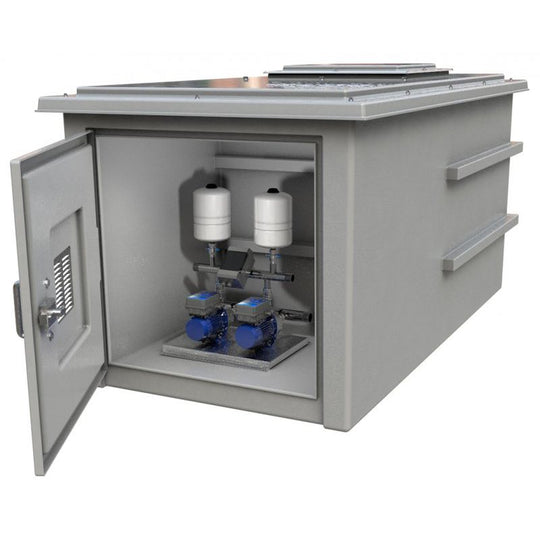
8000 Litre GRP Pump Enclosure with built in tank and Twin pump 160L/Min Max 12000-8000
£16,650.00EX VAT · £19,980.00 INCView product
4000 Litre GRP Enclosure with built in tank and 80L/min triple pump
£17,045.00EX VAT · £20,454.00 INCView product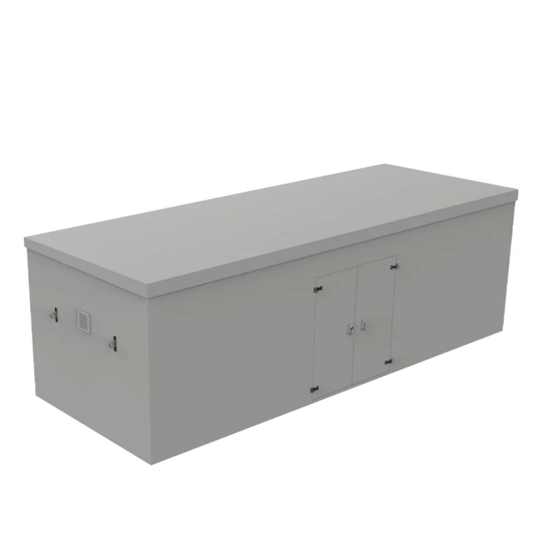
GRP Booster Set Grand Enclosure PWHG.8x3x2.5
£17,115.00EX VAT · £20,538.00 INCView product
5000 Litre GRP Enclosure with built in tank and 80L/min triple pump
£17,165.00EX VAT · £20,598.00 INCView product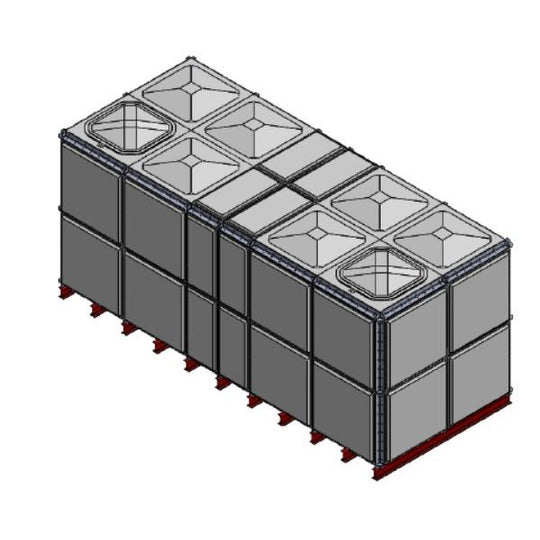
23805 Litre GRP Sectional Water Tank, Totally Internally Flanged (TIF) Divided
£17,685.00EX VAT · £21,222.00 INCView product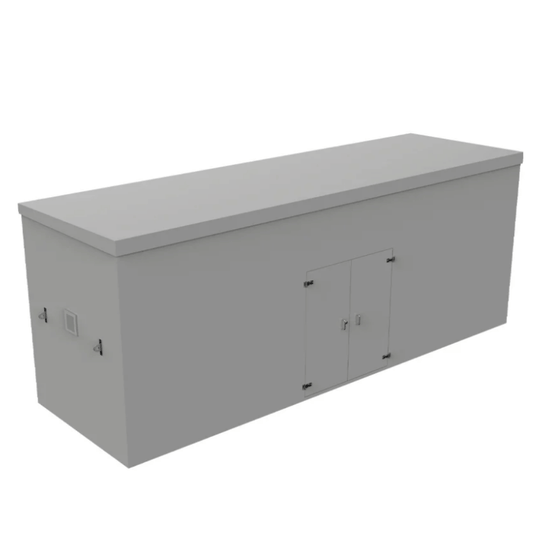
GRP Booster Set Grand Enclosure PWHG.8x2.5x3
£17,850.00EX VAT · £21,420.00 INCView product
7000 Litre GRP Enclosure with built in tank and 80L/min twin pump
£18,065.00EX VAT · £21,678.00 INCView product
4000 Litre GRP Pump Enclosure with built in tank and Triple Pump Max Flow 240L/Min 12000-4000
£18,499.00EX VAT · £22,198.80 INCView product
6000 Litre GRP Pump Enclosure with built in tank and Triple Pump Max Flow 240L/Min 12000-6000
£18,510.00EX VAT · £22,212.00 INCView product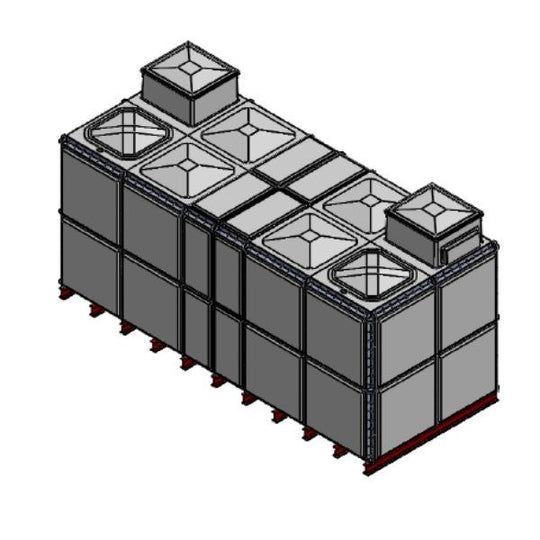
23805 Litre GRP Sectional 5x2x2 Water Tank, Totally Internally Flanged, Divided, AB Airgap
£18,548.00EX VAT · £22,257.60 INCView product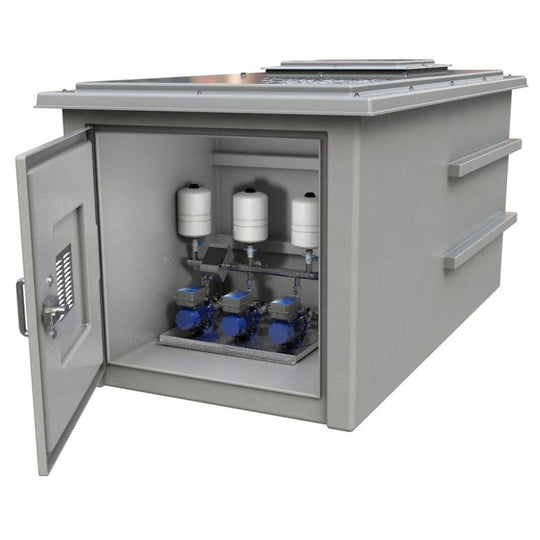
8000 Litre GRP Pump Enclosure with built in tank and Triple Pump Max Flow 240L/Min 12000-8000
£18,550.00EX VAT · £22,260.00 INCView product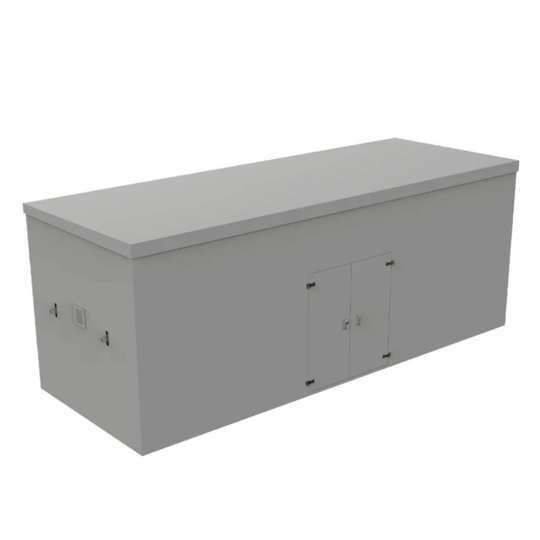
GRP Booster Set Grand Enclosure PWHG.8x3x3
£19,030.00EX VAT · £22,836.00 INCView product
7000 Litre GRP Enclosure with built in tank and 80L/min triple pump
£19,899.00EX VAT · £23,878.80 INCView product


Talk to a
specialist
Sizing, regulations, installation. Our team has been answering these questions for over 25 years.
Purewater FAQs
What size Purewater tank do I need for my property?
Sizing depends on number of occupants, daily usage and whether the tank is for backup storage or the sole water supply. As a rough guide, allow around 150 litres per person per day for domestic use, then factor in a buffer for peak demand or delivery intervals if you're off mains supply. Our team can help you calculate the right capacity based on your household size and intended use.
Are Purewater tanks suitable for storing drinking water?
Yes, the Purewater range is manufactured to WRAS standards specifically for potable water storage, meaning the materials and construction won't contaminate wholesome water. Always check the individual product spec sheet to confirm WRAS approval before installation, particularly if the tank will connect directly to your mains-fed plumbing. Non-potable tanks in other ranges are not suitable for drinking water and shouldn't be substituted.
Can Purewater tanks be installed above ground, or do they need to be buried?
Many Purewater tanks are designed for above-ground installation in a garage, plant room or outbuilding, provided they're protected from frost and direct sunlight. Some models are also suitable for underground installation, but this requires proper backfill (typically pea shingle) and, for larger tanks, may need a concrete base or anti-flotation strategy. Check the specific product listing, as burial depth and installation method vary by tank shape and wall strength.
What's the difference between GRP and polyethylene Purewater tanks?
GRP (fibreglass) tanks are rigid, durable and well suited to larger capacities or bespoke shapes, often used in commercial or agricultural settings. Polyethylene tanks are lighter, generally more cost-effective and easier to manoeuvre on site, making them popular for domestic installations. Both materials are available in WRAS-approved potable grades within the Purewater range — the right choice usually comes down to site access, budget and required capacity.
Do I need planning permission or building regulations approval for a water storage tank?
Most domestic water tanks, whether above or below ground, don't require planning permission, though it's worth checking if your property is listed or in a conservation area. Underground installations connected to plumbing may fall under building regulations, particularly around backflow prevention and pipework, so it's sensible to consult building control or a qualified installer. Commercial installations or larger capacity tanks are more likely to trigger additional regulatory requirements.
What should I expect on delivery day for a large Purewater tank?
Large tanks are typically delivered on a curtain-sided or flatbed lorry and will usually require access for offloading via crane, HIAB or manual handling depending on size and weight — check the product page for specific requirements. You'll need a clear, level, accessible route from the drop-off point to the installation site, as drivers generally aren't able to manoeuvre tanks any great distance. It's worth confirming site access restrictions (narrow lanes, low bridges, soft ground) with us in advance to avoid delivery delays.