Graf
Graf water solutions.

Graf One2Clean Sewage Treatment Plant - 6500L
£2,487.00EX VAT · £2,984.40 INCView product
Carat Direct Complete Package 6500L
£2,488.00EX VAT · £2,985.60 INCView product
Platin Direct Complete Package 5000L
£2,716.00EX VAT · £3,259.20 INCView product
Platin Garden Comfort Complete Package 7500L
£2,994.00EX VAT · £3,592.80 INCView product
Platin AA Silentio Complete Package 1500L
£3,195.00EX VAT · £3,834.00 INCView product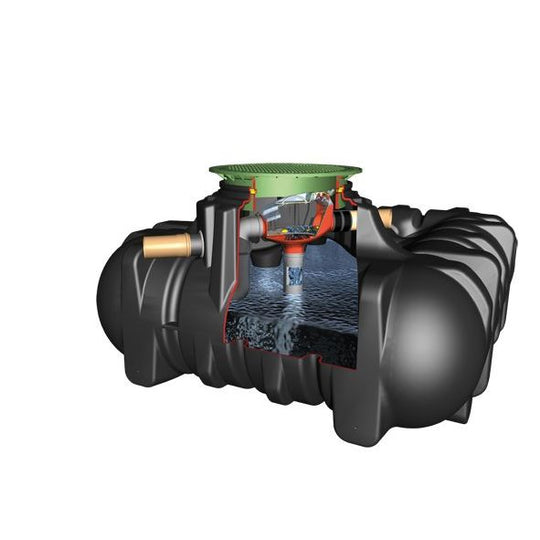
Platin Direct Complete Package 7500L
£3,332.00EX VAT · £3,998.40 INCView product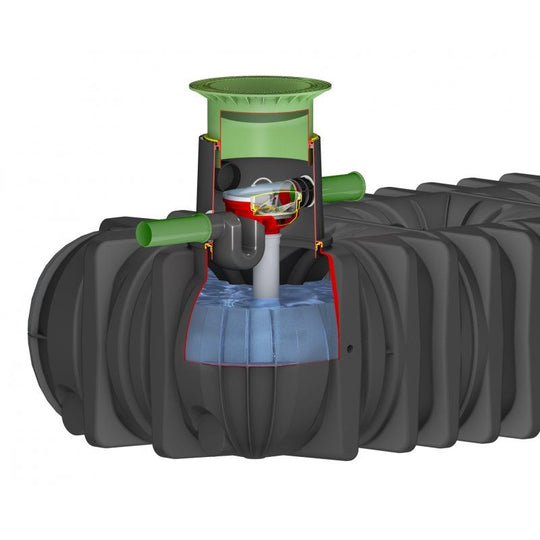
Platin AA Silentio Complete Package 3000L
£3,543.00EX VAT · £4,251.60 INCView product
Platin AA Silentio Complete Package 5000L
£3,875.00EX VAT · £4,650.00 INCView product
Platin AA Silentio Complete Package 7500L
£4,499.00EX VAT · £5,398.80 INCView product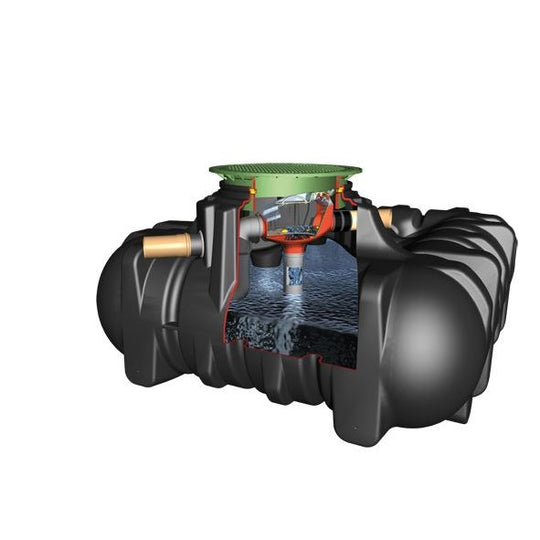
Platin Garden Comfort Complete Package 10000L
£4,705.00EX VAT · £5,646.00 INCView product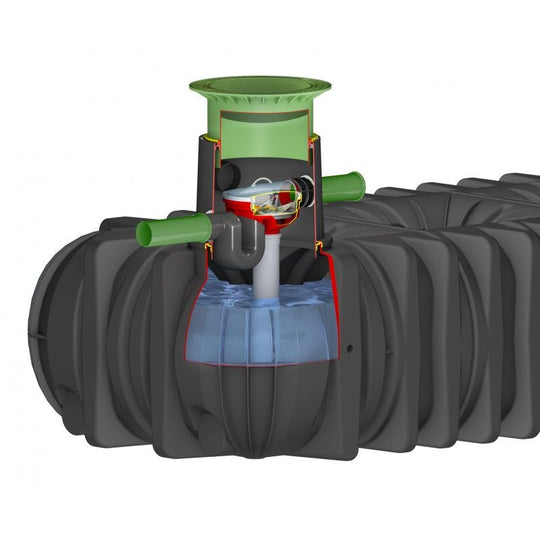
Platin Direct Complete Package 10000L
£4,898.00EX VAT · £5,877.60 INCView product
Platin Garden Comfort Complete Package 15000L
£6,030.00EX VAT · £7,236.00 INCView product
Platin AA Silentio Complete Package 10000L
£6,142.00EX VAT · £7,370.40 INCView product
Platin Direct Complete Package 15000L
£6,221.00EX VAT · £7,465.20 INCView product


Talk to a
specialist
Sizing, regulations, installation. Our team has been answering these questions for over 25 years.
Graf FAQs
What is the Graf range typically used for?
Graf is a German manufacturer best known for high-quality polyethylene rainwater harvesting tanks, garden water butts and sewage treatment plants. The underground Carat and Platin tanks are widely used for whole-house or garden rainwater harvesting, while the smaller garden tanks suit watering and general non-potable use. Graf also produces Klaro sewage treatment systems for off-mains drainage.
Can Graf underground tanks be installed under a driveway or in a garden with high groundwater?
Graf's Carat and Platin tanks are engineered with reinforced ribbing and can generally be installed under light traffic areas or gardens, but this depends on the specific model, burial depth and groundwater conditions on site. Where groundwater is high or the tank sits under a trafficked area, you may need a concrete surround or specific ballasting kit as detailed in the installation manual. Always check the model's technical datasheet and, where in doubt, get a groundwater assessment before excavation.
Do Graf rainwater harvesting tanks come with filtration included?
Most Graf underground tanks are supplied with an integrated inlet filter as part of the tank body, which removes debris before it settles, along with a calming inlet to prevent disturbing sediment already in the tank. Depending on the package, you may still need to add a suction filter, submersible or self-priming pump, and control unit to complete a working system. Check the individual product listing to see exactly what's included versus what's sold as an accessory.
What size Graf tank do I need for a typical house?
Sizing depends on roof catchment area, average rainfall for your region and intended use — garden irrigation only, or feeding toilets and washing machines too. As a rough guide, domestic rainwater harvesting systems for a typical UK house commonly use tanks between 1,500 and 4,000 litres, with larger households or those using rainwater for internal appliances benefiting from bigger volumes. If you're unsure, it's worth working through Graf's sizing guidance or speaking with our team before ordering.
Are Graf sewage treatment plants suitable for off-mains properties?
Yes, the Graf Klaro range is designed for properties without access to mains drainage and treats effluent biologically before discharge to a suitable watercourse or soakaway. Installation and discharge are subject to Environment Agency permitting (or exemption criteria) and current building regulations, so it's important to confirm your discharge route before ordering. Capacity is selected by population size (number of bedrooms/occupants), and Graf systems are available across a range of household sizes.
What sort of delivery and access should I plan for with a Graf underground tank?
Graf underground tanks are large, single-piece polyethylene units delivered on palletised or kerbside transport, and depending on size may need offloading with a machine such as a telehandler or HIAB rather than by hand. It's worth confirming access to the installation point, ground conditions and excavation dimensions before delivery, as these tanks aren't easily manoeuvred once off the vehicle. Check the product's dimensions and weight against your site access and delivery notes when ordering.