
DirectPumps & Tanks
Pumps and tanks, direct.

Single Pump Variable Speed Booster Set, 160l/min @ 5.0 Bar
£1,506.00EX VAT · £1,807.20 INCView product
AquaForce 500 Litre Booster Package
£1,507.00EX VAT · £1,808.40 INCView product
IDROGO Well Pump 40/10
£1,563.00EX VAT · £1,875.60 INCView product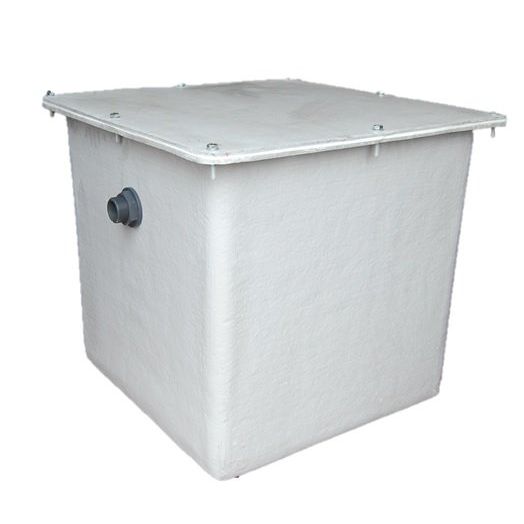
570 Litre GRP Above Ground Single Pump Station
£1,633.00EX VAT · £1,959.60 INCView product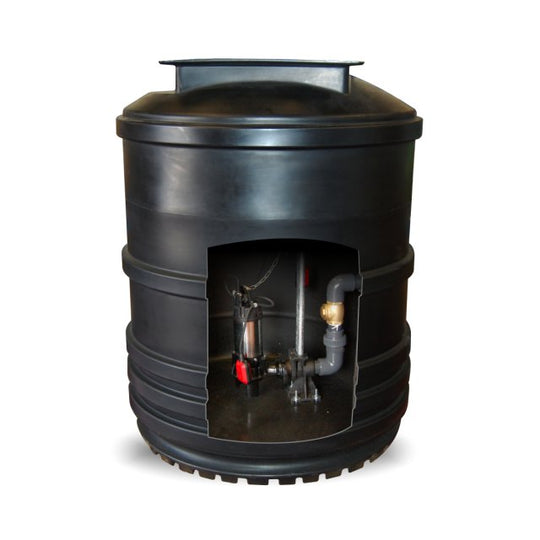
Sewage Pumping Station, Single Pumps, 1600 litre tank
£2,313.00EX VAT · £2,775.60 INCView product
67L CAT5 Single Variable Speed Pump Booster Set & Tank, 75l/min @ 5.0bar
£1,578.00EX VAT · £1,893.60 INCView product
Single Pump Variable Speed Booster Set, 75l/min @ 7.0 Bar
£1,585.00EX VAT · £1,902.00 INCView product
187 Litre Single Pump CAT5 Booster Set
£1,607.00EX VAT · £1,928.40 INCView product
CAT5 Single Variable Speed Pump Booster Set 160l/min @ 3.5bar - 67L
£1,611.00EX VAT · £1,933.20 INCView product
1400 Litre Garden Angel
£1,613.00EX VAT · £1,935.60 INCView product
IDROGO Well Pump 40/10
£1,618.00EX VAT · £1,941.60 INCView product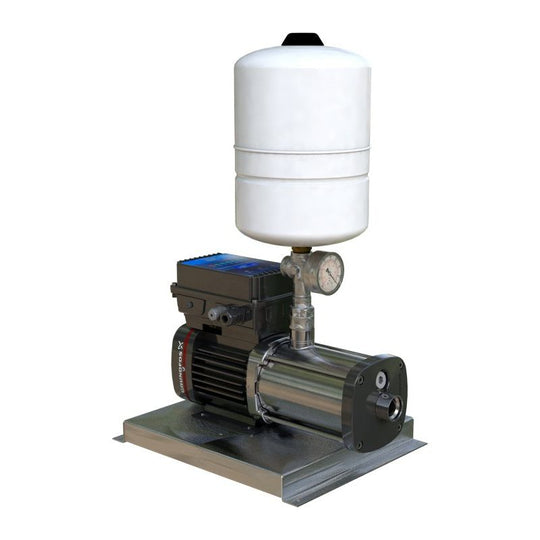
Vari-Rs Featuring Grundfos Single booster Pump With TD Variable Speed Controller, 54L/MIN @ 6.5 BAR
£1,638.00EX VAT · £1,965.60 INCView product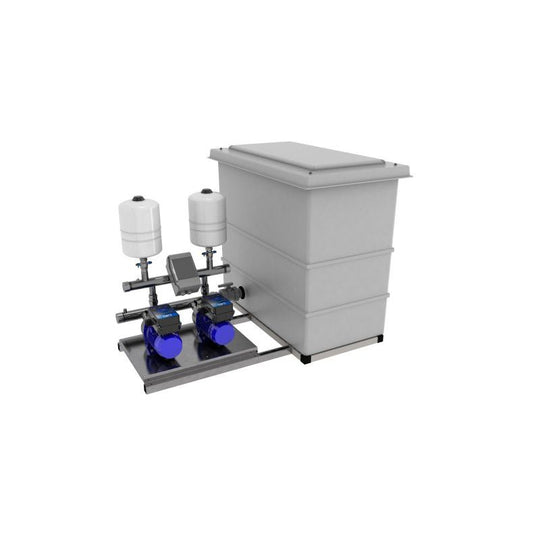
AquaForce 501 Litre Booster Package
£1,669.00EX VAT · £2,002.80 INCView product
Vari-Rs Featuring Grundfos Single booster Pump With TD Variable Speed Controller, 125L/MIN @ 4.5 BAR
£1,685.00EX VAT · £2,022.00 INCView product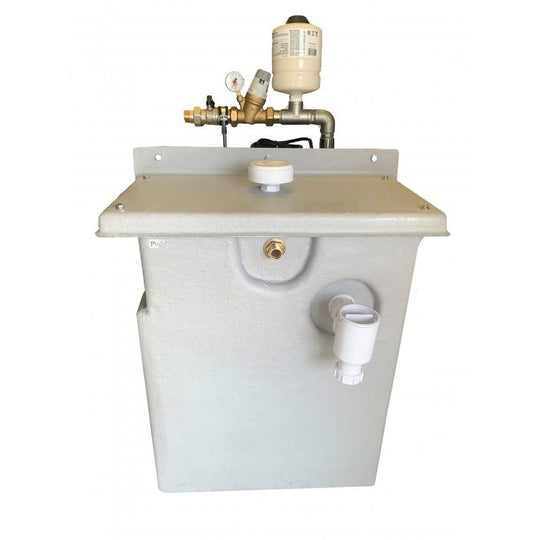
251 Litre Single Pump CAT5 Booster Set
£1,710.00EX VAT · £2,052.00 INCView product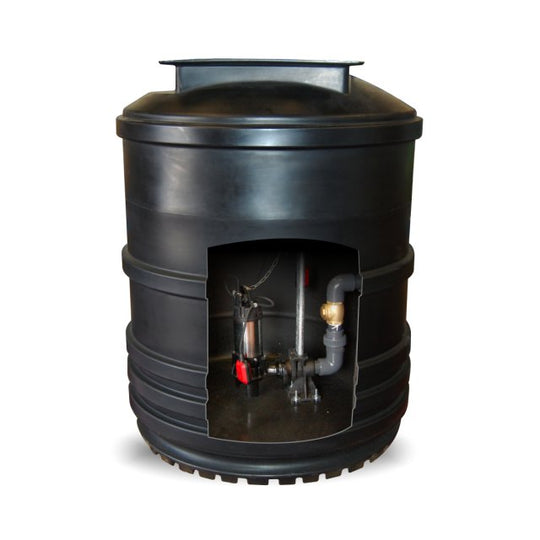
Sewage Pump Station, Single Pump, 2400 litre tank
£2,056.00EX VAT · £2,467.20 INCView product


Talk to a
specialist
Sizing, regulations, installation. Our team has been answering these questions for over 25 years.
Direct Pumps & Tanks FAQs
Do I need a pump with my water storage tank, or can it feed by gravity?
This depends on where the tank sits relative to the point of use. If the tank is elevated above the outlets, gravity may provide enough pressure for basic uses like garden irrigation. For mains-pressure applications such as indoor plumbing, toilet flushing or pressurised garden systems, you'll need a pump to deliver adequate flow and pressure.
How do I choose the right pump size for my tank and application?
Pump selection comes down to two figures: flow rate (litres per minute) and head (the vertical lift plus pipe friction losses the pump must overcome). A rainwater harvesting system feeding a single toilet needs far less capacity than a whole-house or commercial setup. If you're unsure, tell us the number of outlets and the pipe run distance and we can help match a pump to the job.
Can I use a submersible pump in any tank?
Submersible pumps need enough clearance and depth to sit fully submerged without drawing in sediment from the base, so tank shape and outlet position matter. Most of our rainwater and sewage-rated tanks are designed with submersible pump chambers or sumps built in. Always check the pump's cable length and float switch clearance against the tank's internal dimensions before ordering.
What's the difference between a surface pump and a submersible pump?
A surface pump sits outside the tank, drawing water up through a suction pipe, and is easier to access for servicing but limited in suction lift (typically around 7-8 metres). A submersible pump sits inside the tank itself, pushing water rather than pulling it, which makes it more efficient for deeper tanks or longer vertical lifts. For most below-ground water tanks, submersible is the more reliable choice.
Do sewage and effluent pumps need to be different from clean water pumps?
Yes — sewage and effluent pumps use a cutting or vortex impeller designed to pass solids without clogging, whereas clean water pumps will jam or fail quickly if used on wastewater. Make sure any pump fitted to a septic tank, holding tank or sewage treatment plant is specifically rated for foul water use. Using the wrong type is a common cause of premature pump failure and blocked systems.
What maintenance does a tank pump system need once it's installed?
Check float switches and non-return valves periodically to make sure they move freely, and inspect any inline filters or strainers for debris, especially on rainwater harvesting systems after heavy leaf-fall. Submersible pumps should be lifted out and checked annually for wear on seals and impellers. For sewage pumps, an annual service is sensible to catch early signs of clogging or motor strain before they cause a system failure.