UndergroundWater Tanks
Below-ground storage, out of sight.

Underground Water Tanks Sub-Categories

Talk to a
specialist
Sizing, regulations, installation. Our team has been answering these questions for over 25 years.
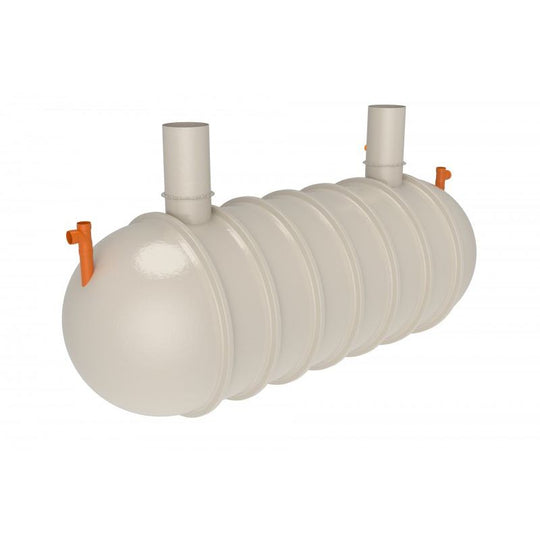
If you're looking for a water storage solution, our underground water storage tanks offer a practical solution. By burying your tank underground, you won't be occupying valuable above-ground space, that can be used instead for other purposes, such as landscaping or construction. Underground tanks also provide protection from temperature fluctuations and help maintain stable temperatures for the stored water, preventing freezing in colder climates and keeping the water cooler in hot weather.
From potable to non-potable tanks, in a range of capacities, we have a wide range to choose from at Tanks Direct. Plastic tanks are typically more affordable than their concrete or fibreglass counterparts and are often simpler and quicker to install. Thanks to their lightweight plastic construction they are easy to transport, handle, and install, perfect for areas with challenging access or terrain. Our tanks are durable and long-lasting, resistant to corrosion and rust, and resistant to a variety of chemicals.
For more information on underground water tanks, please check out our Guide to Underground water tanks
Underground Water Tanks FAQs
How deep can an underground water tank be buried?
This varies by tank model and manufacturer, so always check the specific installation guide before digging. Most polyethylene tanks have a maximum cover depth stated (often around 600mm-1m of soil above the tank), and exceeding this can risk structural damage. If you need greater burial depth, look at models specifically designed and reinforced for deeper installation, or discuss ground conditions with the manufacturer's technical team.
Do I need planning permission or building regulations approval for an underground tank?
Most underground water tanks for domestic rainwater harvesting or non-potable use don't require planning permission, but this can depend on your local authority and the size/location of the installation. If the tank is feeding into a potable water system, or forms part of a drainage or sewage arrangement, building regulations are likely to apply. It's always worth checking with your local building control department before installation, particularly for larger commercial systems.
What happens if there's a high water table where I want to install the tank?
A high water table can cause an empty or partially empty tank to float or shift within the ground, which can damage inlet/outlet connections and pipework. In these conditions, anti-flotation measures are essential — typically a concrete anchor slab or ballast collar, sized according to the tank manufacturer's guidance. Always get a groundwater survey done beforehand if you're unsure, especially on clay or low-lying sites.
How is an underground water tank actually installed?
Installation typically involves excavating a hole larger than the tank to allow for a bedding layer (usually pea gravel or sharp sand), lowering the tank in, then backfilling in stages while filling the tank with water simultaneously to equalise pressure. This staged backfill-and-fill approach prevents the tank walls from distorting or collapsing under the weight of the surrounding soil. Full manufacturer installation instructions should always be followed, as procedures vary between GRP and polyethylene tanks.
What size tank do I need for rainwater harvesting or household use?
Capacity depends on what the water is being used for — a domestic garden irrigation system might only need a few thousand litres, while a household greywater or whole-house rainwater harvesting setup typically needs upwards of 5,000 litres depending on roof catchment area and household size. As a rough guide, consider average daily consumption, expected rainfall, and how many dry days of storage you want as a buffer. Our Guide to Underground Water Tanks has more detailed sizing calculations if you're unsure.
Can underground tanks be installed under a driveway or area with vehicle traffic?
Standard underground tanks are generally not designed to take vehicle loading directly above them, as the structure and covers aren't rated for that weight. If you need a tank under a trafficked area, you'll need a model specifically designed for traffic loading, along with a reinforced, load-bearing cover or manhole to distribute the weight away from the tank itself. Always confirm load ratings with us before installing in driveways, car parks or access roads.