Parts& Accessories
Fittings and replacement parts.

Parts & Accessories Sub-Categories
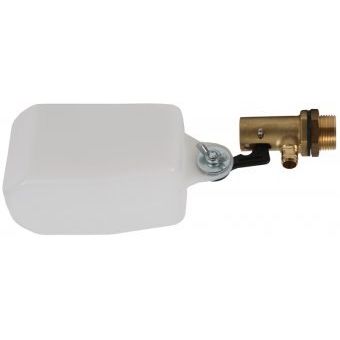
3/4' BSP Brass Float Valve
£28.00EX VAT · £33.60 INCView product
1 1/2' Male BSP Camlock Ball Valve
POAPrice on applicationView product
2' Female BSP Ball Valve
POAPrice on applicationView product
2" BSP F/F PVC Ball Valve
£41.00EX VAT · £49.20 INCView product
Rainwater Filter Collector with Universal Link
£45.00EX VAT · £54.00 INCView product
3' Female BSP x CamLock Adaptor Ball Valve
£60.00EX VAT · £72.00 INCView product
3' Male BSP Camlock Ball Valve
POAPrice on applicationView product
2' Bolted Flange 3' Bolts
£62.00EX VAT · £74.40 INCView product
2' Female BSP x Camlock Male Adaptor Ball Valve
£69.00EX VAT · £82.80 INCView product
3' Female BSP Ball Valve
£95.00EX VAT · £114.00 INCView product
Volume Filter
£320.00EX VAT · £384.00 INCView product
3P Volume Filter Combi
£342.00EX VAT · £410.40 INCView product


Talk to a
specialist
Sizing, regulations, installation. Our team has been answering these questions for over 25 years.
At Tanks Direct, we understand the importance of keeping your tank working its best. That's why we offer a comprehensive range of parts and accessories to keep your tank running smoothly and efficiently. From essential replacement parts to innovative upgrades, you'll find everything you need to maintain and enhance your tank system.
Whether you're dealing with wastewater treatment, ventilation, or solar power, we have the right components to ensure optimal performance. Our selection of blowers and spares, motor/gearbox kits, and solar accessories are designed to meet the specific needs of your tank.
To keep your tank clean and healthy, our cleaning and chemical accessories provide effective solutions for removing sludge, algae, and other contaminants. Our water accessories, including filters, pumps, and water leak detection products, help maintain water quality and prevent issues like blockages and leaks. By investing in quality cleaning and water treatment products, you can prolong the life of your tank and ensure it operates at peak performance.
For your cylinder and fuel tank needs, we offer a variety of accessories to ensure safe and reliable operation. From replacement tank lids and seals to fuel tank gauges and vent lids, we have everything you need to keep your tank in top condition.
.
Parts & Accessories FAQs
How do I know which blower or motor/gearbox kit fits my sewage treatment plant?
Blowers and motor/gearbox kits are usually model-specific, so you'll need the make and model of your treatment plant (often on a data plate near the lid or control panel) before ordering. If you're unsure, check the part number stamped on the existing unit, as manufacturers frequently update spares across several plant generations. Fitting the wrong kit can affect aeration rates and treatment performance, so match by model rather than by tank size alone.
Can I fit replacement parts myself, or do I need a professional?
Straightforward items like filters, air diaphragms, and ventilation covers are generally fine for a competent DIYer to fit. However, anything involving electrics — blowers, pumps, control panels — should be installed or at least isolated by a qualified electrician, and some sewage treatment plant work may need a registered installer to keep warranties and building control sign-off valid. If in doubt, check your original installation certificate before starting work.
What cleaning products are safe to use in a septic tank or treatment plant?
Only use cleaning and descaling products specifically formulated for septic and sewage treatment systems, as ordinary household bleach and strong chemical cleaners can kill the beneficial bacteria that break down waste. Biological accelerants and sludge treatments help maintain digestion efficiency, especially after periods of low use. Always follow dosing instructions closely, as overuse can upset the biological balance just as much as underuse.
Do I need a water leak detector for an underground or hard-to-access tank?
Yes — leak detection is particularly worthwhile for underground or bunded tanks where a slow leak might go unnoticed until water loss or contamination becomes significant. Detectors range from simple float-based alarms to more sophisticated sensors that alert you via a control panel or remote signal. This is especially useful for fuel and cylinder tanks, where early detection can prevent costly environmental or safety issues.
How often should I replace ventilation or blower spares on a treatment plant?
Diaphragms and filters on blowers typically need checking annually and replacing every one to two years, though this varies by usage and manufacturer guidance. A blower running noisier than usual, or reduced aeration in the tank, is usually a sign parts need attention sooner rather than later. Keeping spares on hand avoids extended downtime, since an inactive blower can quickly lead to odour and treatment problems.
Are solar accessories suitable for off-grid or remote tank installations?
Yes, solar kits are commonly used to power blowers, pumps or alarm systems on remote sewage treatment plants and rainwater harvesting systems where mains electricity isn't readily available. You'll need to size the panel and battery to match the running current of the equipment being powered, particularly for continuous-duty blowers. It's worth checking expected daylight hours for your site, as undersized systems in shaded or low-light locations won't keep up with demand.