GRPSectional Divided TIF Tanks
Divided, fully internal flanging.


1520 Litre GRP Sectional Water Tank, Totally Internally Flanged (TIF) Divided
£3,112.00EX VAT · £3,734.40 INCView product
2182 Litre GRP Sectional Water Tank, Totally Internally Flanged (TIF) Divided
£3,752.00EX VAT · £4,502.40 INCView product
2843 Litre GRP Sectional Water Tank, Totally Internally Flanged (TIF) Divided
£4,330.00EX VAT · £5,196.00 INCView product
3130 Litre GRP Sectional Water Tank, Totally Internally Flanged (TIF) Divided
£5,005.00EX VAT · £6,006.00 INCView product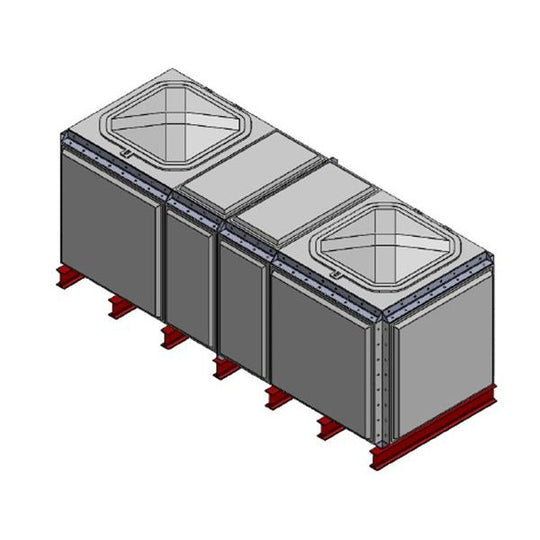
4165 Litre GRP Sectional Water Tank, Totally Internally Flanged (TIF) Divided
£5,687.00EX VAT · £6,824.40 INCView product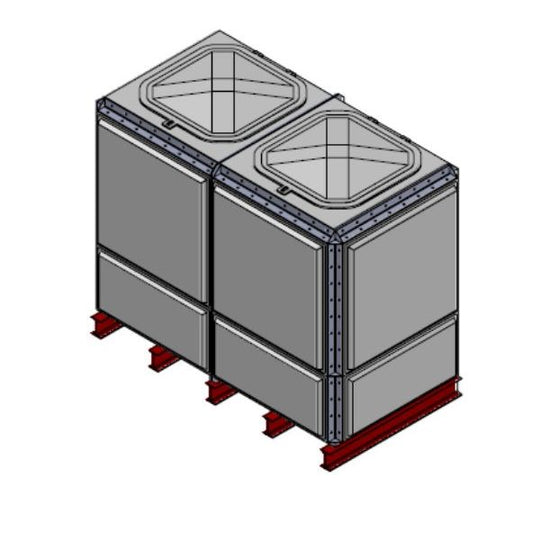
4079 Litre GRP Sectional Water Tank, Totally Internally Flanged (TIF) Divided
£5,705.00EX VAT · £6,846.00 INCView product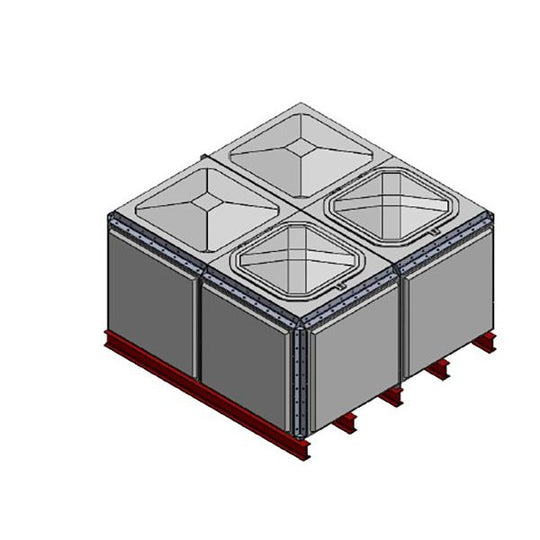
5315 Litre GRP Sectional Water Tank, Totally Internally Flanged (TIF) Divided
£6,481.00EX VAT · £7,777.20 INCView product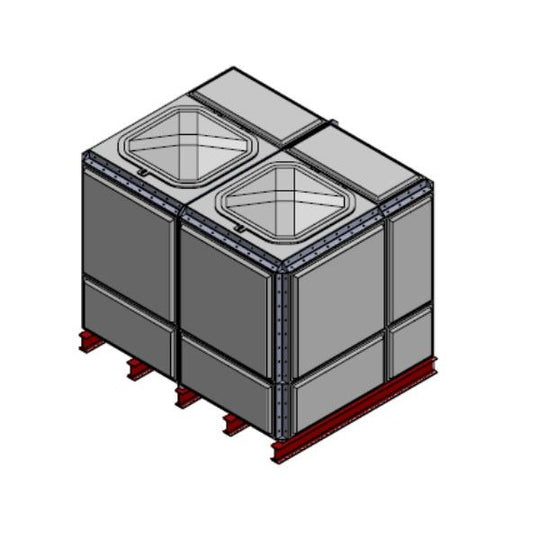
5853 Litre GRP Sectional Water Tank, Totally Internally Flanged (TIFB) Divided
£7,240.00EX VAT · £8,688.00 INCView product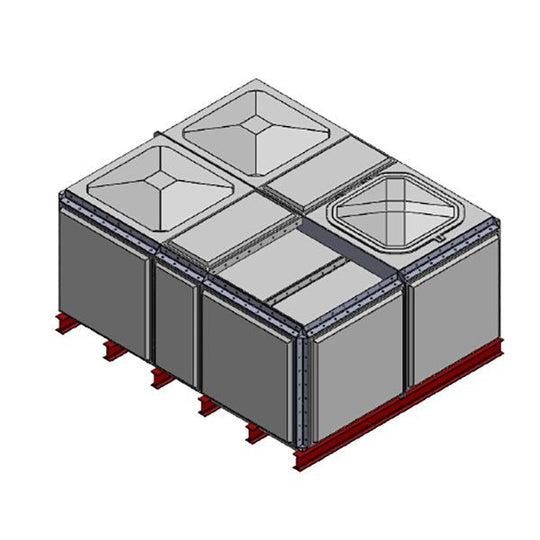
6552 Litre GRP Sectional Water Tank, Totally Internally Flanged (TIF) Divided
£7,343.00EX VAT · £8,811.60 INCView product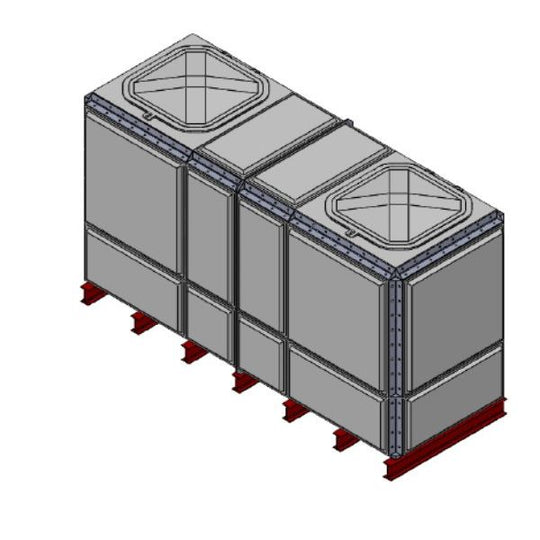
5977 Litre GRP Sectional Water Tank, Totally Internally Flanged (TIF) Divided
£7,524.00EX VAT · £9,028.80 INCView product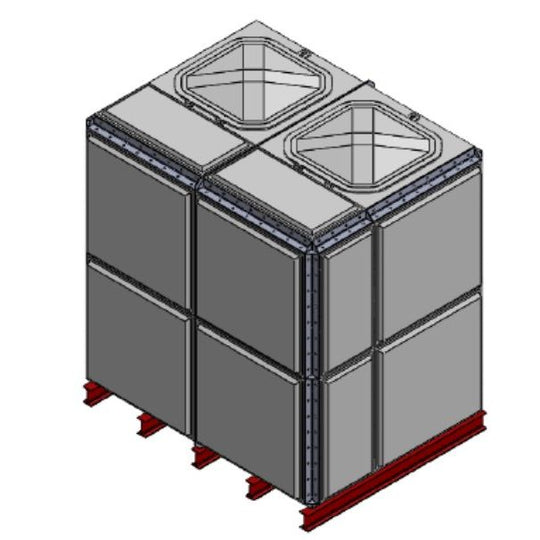
7627 Litre GRP Sectional Water Tank, Totally Internally Flanged (TIF) Divided
£7,887.00EX VAT · £9,464.40 INCView product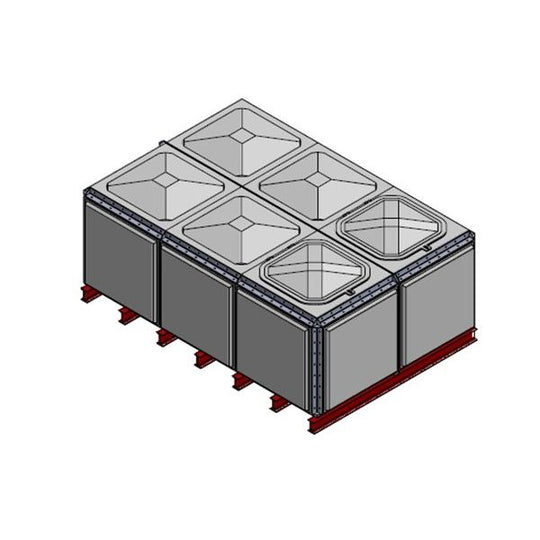
7788 Litre GRP Sectional Water Tank, Totally Internally Flanged (TIF) Divided
£8,920.00EX VAT · £10,704.00 INCView product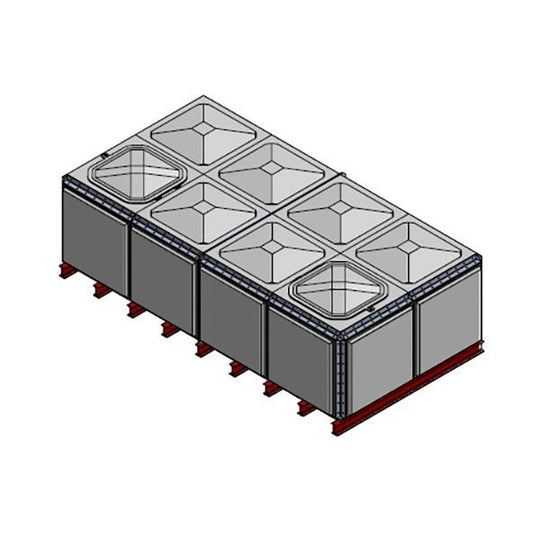
10260 Litre GRP Sectional Water Tank, Totally Internally Flanged (TIF) Divided
£9,091.00EX VAT · £10,909.20 INCView product
9400 Litre GRP Sectional Water Tank, Totally Internally Flanged (TIF) Divided
£9,449.00EX VAT · £11,338.80 INCView product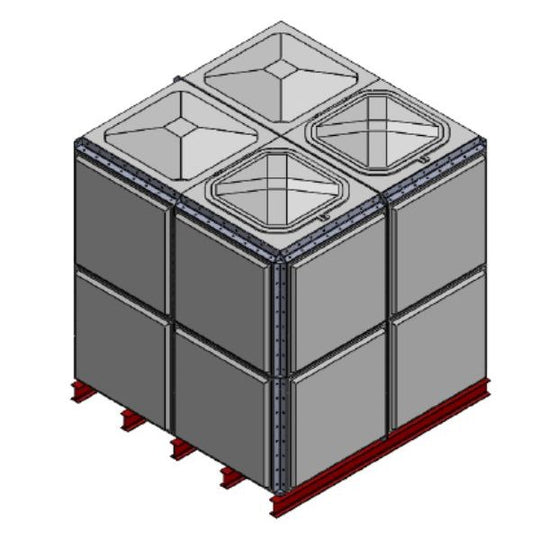
9938 Litre GRP Sectional Water Tank, Totally Internally Flanged (TIF) Divided
£9,555.00EX VAT · £11,466.00 INCView product
11174 Litre GRP Sectional Water Tank, Totally Internally Flanged (TIF) Divided
£10,143.00EX VAT · £12,171.60 INCView product


Talk to a
specialist
Sizing, regulations, installation. Our team has been answering these questions for over 25 years.
GRP Sectional Divided TIF Tanks FAQs
What does "TIF" mean and how does it differ from a standard sectional GRP tank?
TIF stands for Tank In Frame — the GRP panels are bolted into a galvanised steel angle frame rather than relying on panel strength alone. This gives extra structural rigidity, making TIF tanks well suited to rooftop plant rooms, mezzanine installations or sites where the tank needs to bridge across a steel support structure rather than sit on a continuous slab.
What does "divided" mean, and why would I need a divided tank?
A divided tank has an internal GRP baffle wall splitting it into two separate compartments, each with its own outlet. This lets you take one side offline for inspection, cleaning or repair while the other continues supplying water, which is a common requirement for continuity of supply on commercial and fire-water installations.
How are sectional GRP tanks delivered and installed on site?
They're supplied as flat-packed GRP panels, framework and fixings rather than one moulded unit, which makes them practical for sites with restricted access such as plant rooms or roof spaces. Panels are bolted together on a prepared base or frame, so installation is generally carried out by a competent contractor rather than a single-person DIY job, especially on larger capacities.
What capacity range is available in the divided TIF range?
Sectional construction means capacities scale from a few thousand litres up to very large volumes, simply by adding more panel sections and adjusting the frame. Because the tank is built from standard panel sizes, you can usually get close to the exact capacity you need rather than rounding up to the nearest fixed-mould size.
Are these tanks suitable for storing drinking water?
Yes, GRP sectional tanks are widely used for potable water storage, provided the specific tank and its fittings carry WRAS approval — always confirm this on the individual product listing. For non-potable applications such as fire-fighting reserve or general process water, the specification requirements are less stringent.
What groundworks or support structure do I need to prepare before delivery?
You'll need a level, load-bearing base or steel support frame sized to the tank's footprint and designed to carry the full weight of water when filled, not just the empty tank. For rooftop or elevated TIF installations, a structural engineer should confirm the supporting steelwork or slab can take the loading before the tank arrives.