GritBins And Salt Spreaders
Winter road and site care.

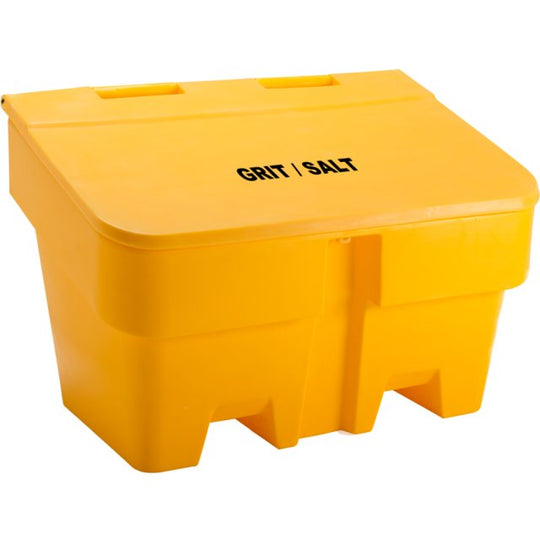
350 Litre Lockable Grit Bin
£190.00EX VAT · £228.00 INCView product
400 Litre Grit Bin
£207.48EX VAT · £248.98 INCView product
350 Litre Plastic Grit Bin, Yellow
£212.22EX VAT · £254.66 INCView product
1008L Grit Bin (36 cu.ft)
£230.00EX VAT · £276.00 INCView product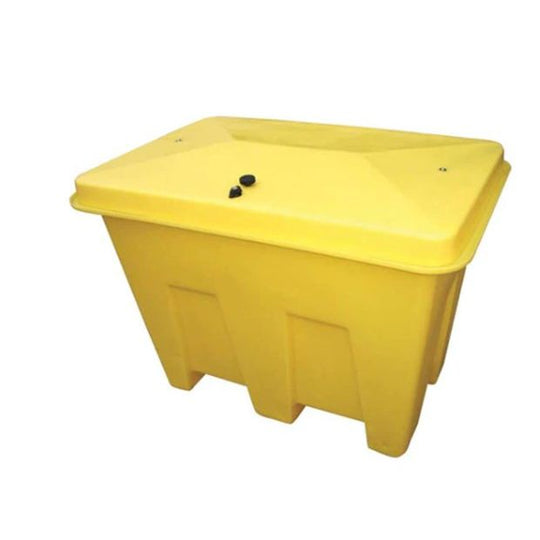
350 Litre Storage Container with Lockable Lid
£231.94EX VAT · £278.33 INCView product
400 Litre Plastic Grit Bin, Yellow
£257.10EX VAT · £308.52 INCView product
1000 Litre Storage Container with Lockable Lid
£264.56EX VAT · £317.47 INCView product
350 Litre Storage Portable Container with Lockable Lid
£319.81EX VAT · £383.77 INCView product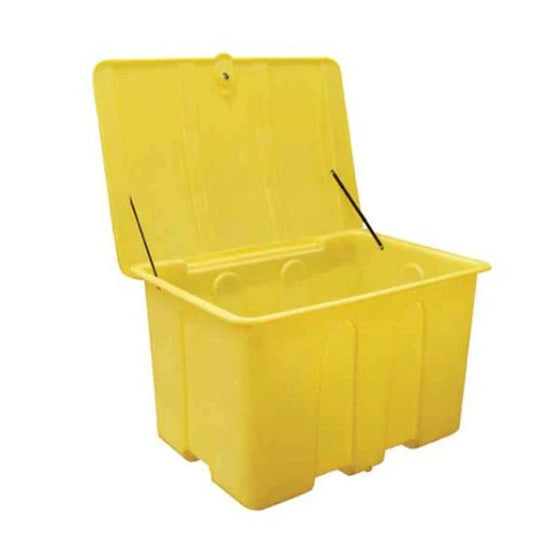
1400L Storage Container with Lockable Lid
£396.21EX VAT · £475.45 INCView product
1000 Litre Portable Storage Container with Lockable Lid
£415.02EX VAT · £498.02 INCView product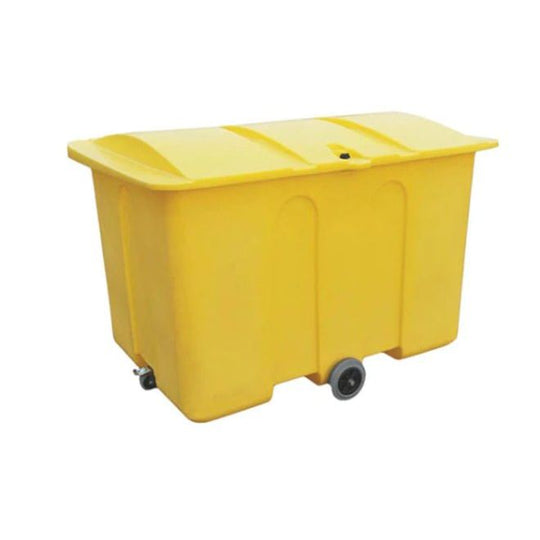
1400 Litre Storage Portable Container with Lockable Lid
£478.74EX VAT · £574.49 INCView product
35 Litre Grit Spreader
£592.20EX VAT · £710.64 INCView product


Talk to a
specialist
Sizing, regulations, installation. Our team has been answering these questions for over 25 years.
Are you looking for somewhere to store away Grit and Salt safely and securely? We have a wide range of Grit Bins and Salt Spreaders for sale to keep it protected and easily accessible, ready for when the weather changes.
Grit Bins are specialised salt and grit storage containers designed to store the contents safely and efficiently. At Tanks Direct, our grit bins are made from high-quality, weather-resistant plastics that are built to last. With reinforced construction and sturdy hinges, they are designed to protect the contents from the elements, such as rain, snow, and moisture, which can cause grit or salt to become damp and less efficient. A well-built Grit bin will keep the contents in optimal condition, ensuring you have a reliable source when you need it.
Our Grit Bins feature easy-to-use access points so you can effortlessly load and retrieve salt or grit without any hassle and come in a wide range of capacities to ensure you have a convenient amount for whatever the weather conditions occur. Lookout for lockable lids to keep your grit and salt secure from unauthorised access and theft. And our grit bins are not just functional €“ their sleek and modern designs will blend seamlessly with any environment to keep your outdoor space looking neat and tidy.
For Local Authority enquiries or multiple purchase enquiries call our Sales Team on 01643 703358
Grit Bins And Salt Spreaders FAQs
What size grit bin do I need?
This depends on the area you need to treat and how often you can refill it. As a rough guide, a 200-litre bin suits a small car park or a handful of paths, while 400-600 litre capacities are better for larger yards, estate roads or commercial sites. If you're gritting a wide area, it's often more practical to fit two smaller bins at either end rather than one oversized bin in the middle.
Are grit bins weatherproof and UV stable?
Yes, our grit bins are moulded from high-density polyethylene, which resists cracking, fading and warping even after years left outdoors. The material won't corrode or rust like metal bins can, and the lids are designed to keep rain and snow out so the grit inside stays dry and free-flowing. This UV stability also means the colour won't noticeably fade over time.
Can grit bins be locked to prevent theft or misuse?
Many of our grit bins feature lockable lids, either with a built-in lock or a fitting point for a padlock. This is worth considering for bins in public or shared areas, such as housing estates or commercial car parks, where grit can otherwise disappear quickly. If security isn't a concern, a simple hinged lid without a lock is fine for private gardens or yards.
Do grit bins need to be fixed down?
Smaller bins are generally stable enough to sit freely, but larger or lightweight empty bins can be prone to shifting or tipping in high winds. Most of our bins have fixing points in the base so they can be bolted to a hard-standing or concrete pad if needed. This is particularly worth doing for bins sited near roads, paths or in exposed, windy locations.
What's the difference between a grit bin and a salt spreader?
A grit bin is simply a storage container — you still need to distribute the grit or salt by hand, usually with a shovel or scoop. A salt spreader, whether a wheeled push model or a handheld broadcast spreader, is designed to spread grit or salt evenly over paths, car parks or roads far more quickly and consistently. For larger areas or frequent use, pairing a bin with a spreader saves considerable time compared with manual spreading.
Can I store rock salt and grit together, and does it go off?
Rock salt and grit can be stored together in the same bin without issue, and many councils supply a pre-mixed grit-salt blend for exactly this reason. Kept dry in a well-sealed bin, both will store indefinitely without losing effectiveness, as it's moisture ingress and caking — not age — that causes problems. This is why a bin with a tight-fitting, weatherproof lid is essential rather than an open container or sacks left outside.