
Bypass& Full Retention Separator Range
Full separator selection.


Geoceptor Bypass Separator - NSB 18 10000 sqm
£2,165.00EX VAT · £2,598.00 INCView product
Klargester Full Retention Separator - NSFA015 - 835M² drainage area
£2,188.00EX VAT · £2,625.60 INCView product
Klargester Bypass Separator - NSBE015 - 8335M² Drainage Area
£2,259.00EX VAT · £2,710.80 INCView product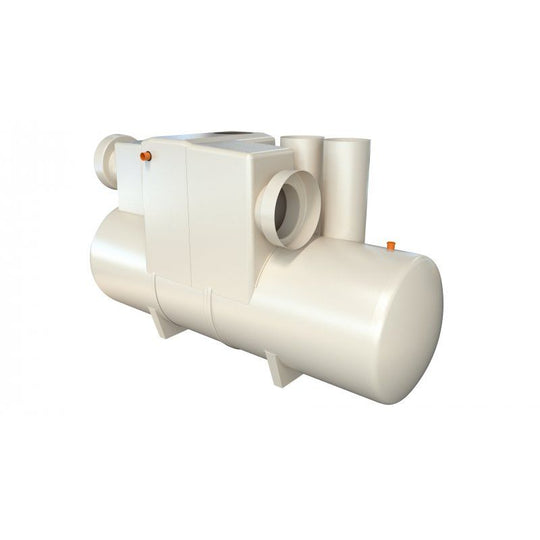
Klargester Bypass Separator - NSBE020 - 11,111M² Drainage Area
£2,765.00EX VAT · £3,318.00 INCView product
Klargester Full Retention Separator - NSFA020 - 1115M² drainage area
£3,437.00EX VAT · £4,124.40 INCView product
Klargester Bypass Separator - NSBE025 - 13,890M² Drainage Area
£3,603.00EX VAT · £4,323.60 INCView product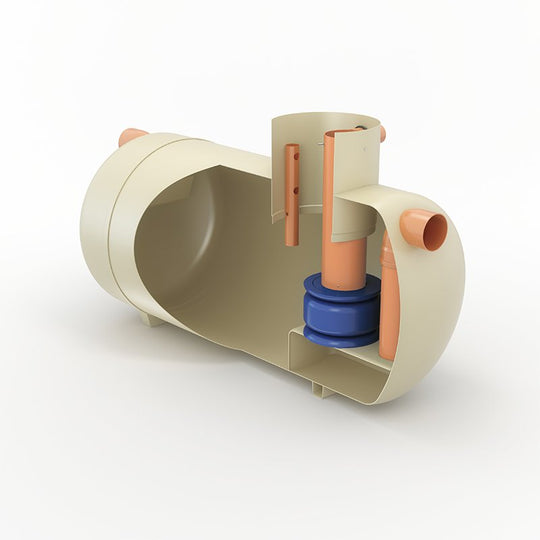
Klargester Full Retention Separator - NSFA030 - 1670M² drainage area
£4,045.00EX VAT · £4,854.00 INCView product
Klargester Bypass Separator - NSBE030 - 16,670M² Drainage Area
£4,342.00EX VAT · £5,210.40 INCView product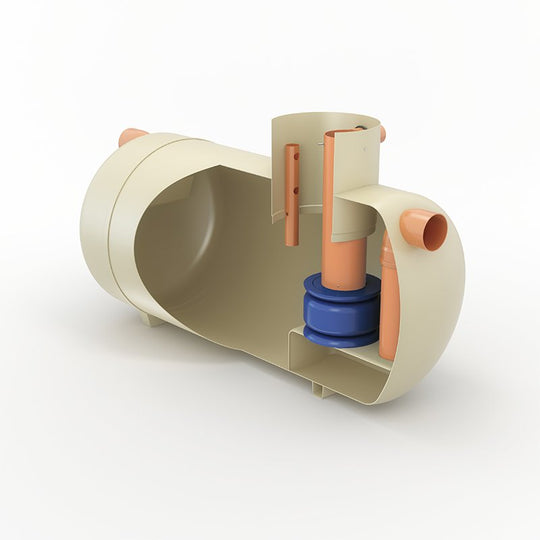
Klargester Full Retention Separator - NSFA040 - 2225M² drainage area
£5,059.00EX VAT · £6,070.80 INCView product
Klargester Full Retention Separator - NSFA050 - 2780M² drainage area
£6,029.00EX VAT · £7,234.80 INCView product


Talk to a
specialist
Sizing, regulations, installation. Our team has been answering these questions for over 25 years.
Tanks Direct offers the Klargester AquaOil range of bypass light liquid separators and full retention light liquid separators.
These separators are classified as effective spill containment systems that meet the BS EN858-1:2002 Class I effluent targets at low flow rates.
Typical applications include sites where there is a risk of regular spillages or contamination, including ...
- Garage Forecourts; Car Parks; Workshops; Car Wash Bays; Garages; scrapyards; Waste Transfer Sites;
- Distribution Warehouses; Distribution/Haulage Centres; Fuel Storage Sites; Supermarket / Shopping Centres; Business/Commercial Parks/Industrial Estates
Bypass & Full Retention Separator Range FAQs
What's the difference between a bypass and a full retention separator?
A bypass separator treats flow up to a set rate (typically the peak rate from a 10mm/hour storm) and diverts anything above that straight to discharge, making it suitable for surface water drainage where the pollution risk is generally low. A full retention separator treats the entire flow through the unit, including storm water, so it's specified where there's a higher risk of spillage or contamination — forecourts, car washes and fuel storage sites, for example.
How do I work out what size separator I need?
Sizing is based on the peak flow rate into the separator, calculated from the drained catchment area, the surface type and local rainfall intensity, then matched against the Nominal Size (NS) rating in BS EN 858-1. For full retention units you also need to account for any additional flows such as vehicle washdown. Where you're unsure, give us your drainage area and site type and we can help you identify the right Klargester AquaOil model.
Do these separators need planning permission or building control approval?
Installing a separator is usually covered by drainage or environmental permit requirements rather than planning permission, but this depends on your local authority and the Environment Agency's discharge consent for the site. Commercial sites such as garages, workshops and waste transfer stations will typically need a trade effluent or surface water discharge consent regardless of the separator itself. It's worth checking with your local authority and the Environment Agency before installation to confirm what's required for your specific site.
How are these separators installed, and can they take vehicle traffic loading?
Klargester AquaOil separators are installed below ground on a prepared, level concrete base, backfilled per the manufacturer's installation guide to avoid distortion of the GRP shell. Units sited under trafficked areas such as car parks or forecourts need the appropriate cover and frame rated for the expected loading (pedestrian, light vehicle or heavy goods traffic) — this needs to be specified at order stage, not added afterwards.
What maintenance does a light liquid separator need?
Separators need regular inspection and periodic emptying by a licensed waste carrier to remove accumulated oil and silt, with frequency depending on site risk and throughput — high-use forecourts and car washes will need more frequent servicing than a quiet distribution yard. Most Klargester units can be fitted with a warning probe or alarm that alerts you when the oil storage capacity is nearing its limit, which takes the guesswork out of scheduling.
Which type of separator is right for a scrapyard or waste transfer site?
Sites with a high risk of regular spillage or contamination — scrapyards, waste transfer stations, fuel storage sites and vehicle workshops — generally require a full retention Class I separator, since all flow needs treating rather than just the storm-diluted portion. A bypass separator is more appropriate for lower-risk sites like general car parks or business park roadways, where only surface water run-off needs treatment.