
PlasticUnderground Water Tanks
Buried polyethylene water storage.

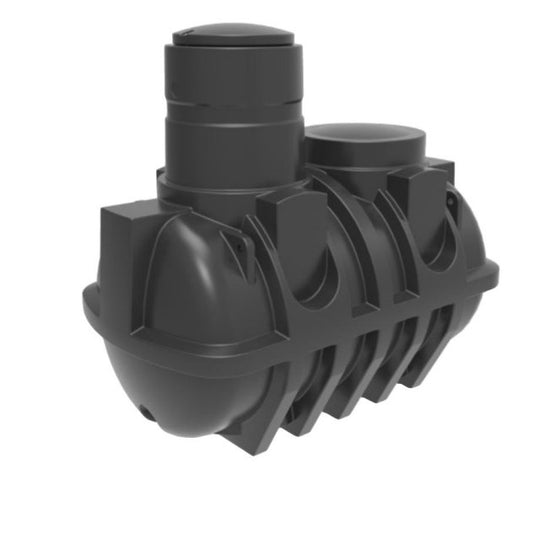
2410 Litre Underground Water Tank
£1,388.00EX VAT · £1,665.60 INCView product
5,000 Litre Underground Potable Water Storage Tank
£1,447.00EX VAT · £1,736.40 INCView product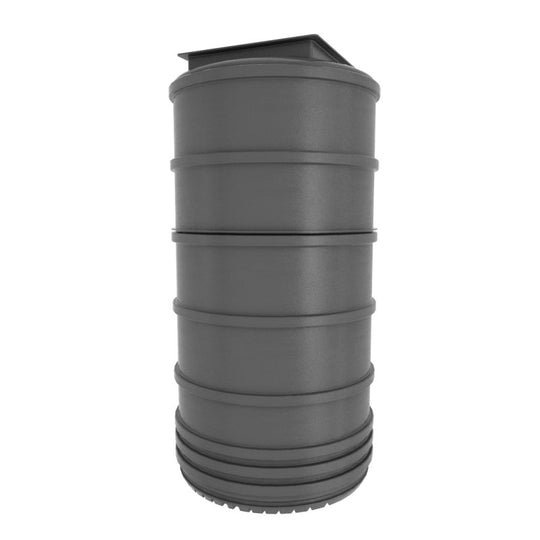
5300 Litre Underground Water Tank
£1,453.00EX VAT · £1,743.60 INCView product
4500 Litre Below Ground Water Storage Tank
£1,525.00EX VAT · £1,830.00 INCView product
5,000 Litre Underground Non- Potable Water Storage Tank
£1,543.00EX VAT · £1,851.60 INCView product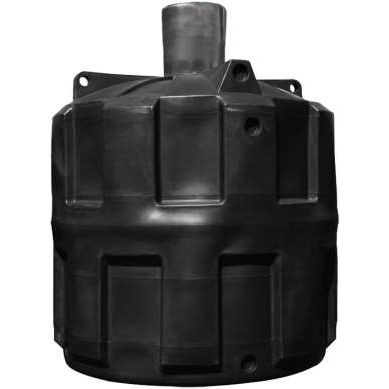
7000 Litre Underground Potable Water Tank
£2,350.00EX VAT · £2,820.00 INCView product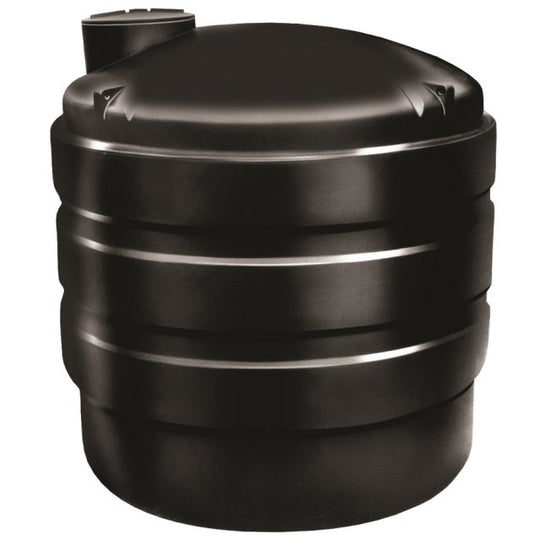
Paxton 10,000 Litre Underground Water Storage Tank
£2,449.00EX VAT · £2,938.80 INCView product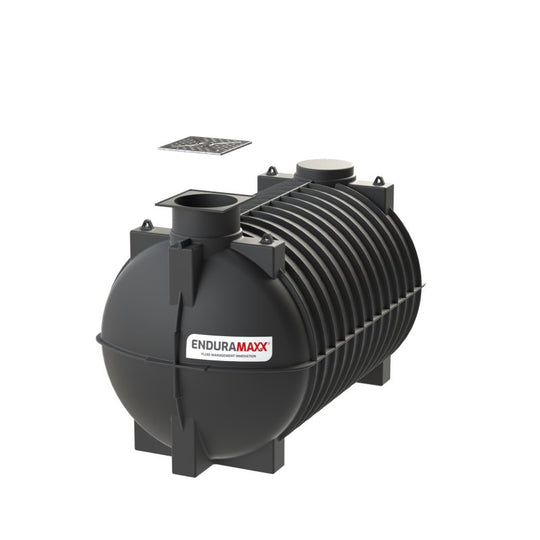
10,000 Litre Underground Non-Potable Water Storage Tank
POAPrice on applicationView product
10,000 Litre Underground Potable Water Storage Tank
POAPrice on applicationView product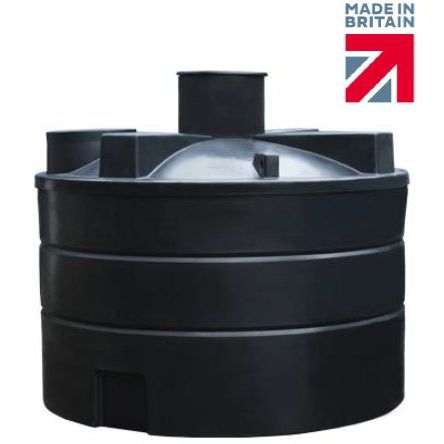
10,000 Litre Underground Potable Water Tank
£3,255.00EX VAT · £3,906.00 INCView product
10,000 Litre Plastic Underground water storage tank
POAPrice on applicationView product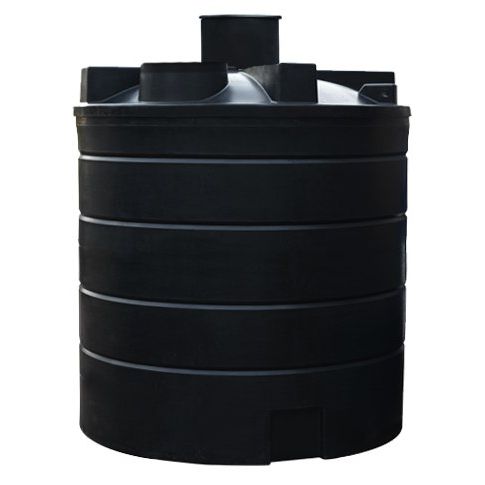
15,000 Litre Underground Potable Water Tank
£3,975.00EX VAT · £4,770.00 INCView product


Talk to a
specialist
Sizing, regulations, installation. Our team has been answering these questions for over 25 years.
Plastic Underground Water Tanks FAQs
Can plastic underground tanks be installed under a driveway or in a trafficked area?
Only if the tank is specifically rated for the loading involved — most standard polyethylene tanks are designed for pedestrian or light garden loading only. For driveways or areas taking vehicle traffic you'll need a tank with a reinforced concrete slab or traffic-rated cover, and often a load-spreading arrangement specified by the manufacturer. Always check the installation guide for maximum burial depth and cover loading before siting the tank.
How deep can a plastic underground water tank be buried?
This varies by tank model and is stated in the manufacturer's installation instructions — typically anywhere from 300mm to over a metre of cover, depending on the tank's construction and neck/riser length. Exceeding the stated maximum burial depth can risk structural damage from ground pressure. If your excavation is deeper than the tank allows, you may need extension necks or a shallower-rated model instead.
Do underground tanks need special backfill to prevent them collapsing or floating?
Yes — correct backfill is critical to both structural stability and preventing flotation in high water tables. Most manufacturers specify pea shingle or similar free-draining, self-compacting material placed and compacted in layers around the tank, never sharp hardcore or clay. Where groundwater is a risk, the tank may also need to be filled with water during backfilling and, in some cases, secured with ground anchors or a concrete base slab.
What size underground tank do I need for rainwater harvesting?
Sizing depends on roof catchment area, average rainfall for your region and intended use — a typical domestic house with garden and WC/washing machine use often works well with a 2,500 to 5,000 litre tank. For larger properties or where the harvested water feeds multiple outlets, you may want 7,500 litres or more. We can help you match catchment area and demand to a suitable tank size — get in touch with your roof area and intended use.
Is a plastic underground tank suitable for storing drinking water?
Only tanks specifically manufactured and marked as WRAS-approved for potable water are suitable for drinking water storage — these use materials and seals rated safe for wholesome water contact. Standard non-potable underground tanks, often used for rainwater harvesting or grey water, are not suitable and shouldn't be connected to any drinking water supply. Always check the product listing confirms potable/WRAS approval if drinking water storage is the intended use.
What access do I need for delivery and installation of an underground tank?
Larger underground tanks are bulky and typically arrive on an articulated or rigid lorry, so you'll need reasonable access for the vehicle to get close to the excavation, or a suitable offloading point with onward transport (such as a forklift or telehandler) arranged on-site. It's worth digging the excavation and confirming access routes before delivery, as tanks are rarely something two people can manually carry any distance. Check the product page or ask our team about size and weight so you can plan site access accordingly.