
DualPumps
Dual Pumps range.
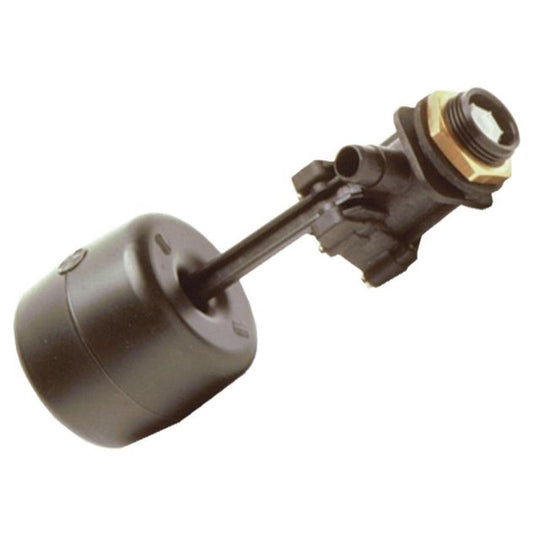
3/4'' RGP Plastic Float Valve
£21.00EX VAT · £25.20 INCView product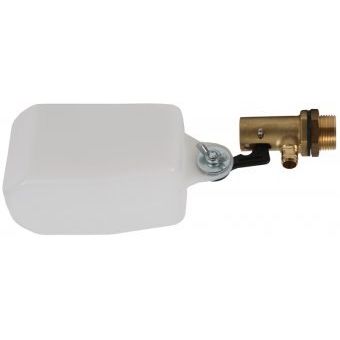
3/4' BSP Brass Float Valve
£28.00EX VAT · £33.60 INCView product
1/2' PVC Garden Hose - 30m Coil
£35.00EX VAT · £42.00 INCView product
1/2' RGO Brass Float Valve
£45.00EX VAT · £54.00 INCView product
3/4' RGO Brass Float Valve
£46.00EX VAT · £55.20 INCView product
LVM111 12V Submersible & Inline Pump 31.8lpm and 9.7m Head
£95.00EX VAT · £114.00 INCView product
Skuba 35AUT Submersible Water Pump
£112.00EX VAT · £134.40 INCView product
Venezia 300 Submersible Water Pump - 100LPM
£195.00EX VAT · £234.00 INCView product
Venezia 900 Submersible Water Pump - 280LPM
£235.00EX VAT · £282.00 INCView product
Lower 60 Submersible Puddle Pump 230V
£255.00EX VAT · £306.00 INCView product
Lower 60 Submersible Puddle Pump 110V
£259.00EX VAT · £310.80 INCView product
16' Whirlaway Flat Surface Cleaner
£335.00EX VAT · £402.00 INCView product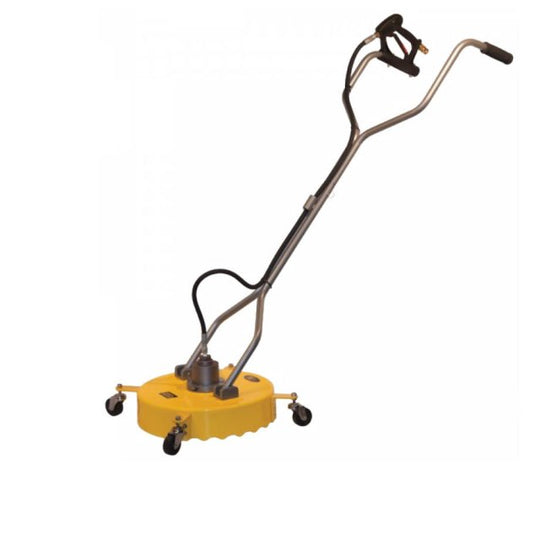
18' Whirlaway Flat Surface Cleaner
£355.00EX VAT · £426.00 INCView product
20' Whirlaway Flat Surface Cleaner
£362.00EX VAT · £434.40 INCView product
Mizar 60S Submersible Water Pump - Stainless Steel
£375.00EX VAT · £450.00 INCView product
20' Whirlaway Stainless Steel Flat Surface Cleaner
£540.00EX VAT · £648.00 INCView product


Talk to a
specialist
Sizing, regulations, installation. Our team has been answering these questions for over 25 years.
Dual Pumps FAQs
What's the difference between duty/standby and duty/assist dual pump systems?
Duty/standby means one pump does the work while the second sits idle, only cutting in automatically if the lead pump fails or can't keep up — this gives you resilience. Duty/assist means both pumps run together at times of peak flow, alternating which one leads to even out wear. Most domestic sewage and surface water applications use duty/standby; larger commercial sites with variable flow often benefit from duty/assist.
Why would I need a dual pump station instead of a single pump?
A dual pump setup gives you built-in backup — if one pump fails or is out for servicing, the second takes over and your system keeps running rather than backing up. This is particularly important for sewage pump stations and properties where a failed single pump means flooding or overflowing waste. Many building control officers and package sewage treatment plant specifications will require duty/standby pumping for exactly this reason.
Does a dual pump station come with a control panel and alarm?
Most dual pump stations we supply include a control panel that automatically alternates the lead pump and switches to the second on fault or high level. A high-level alarm — audible, visual, or both — is standard and strongly recommended, as it's often your first warning of a blockage or pump failure. Always check the specification of the individual station, as panel features (volt-free contacts, telemetry options) vary between models.
How do I size a dual pump station for my property?
Sizing depends on the number of occupants or population equivalent for sewage applications, the peak surface water flow rate for drainage, and the total pumping head (vertical lift plus pipe run losses). Under-sizing leads to pumps that cycle too often and wear out quickly; over-sizing wastes energy and money. If you're unsure, provide us with occupancy numbers, pipe run length and rising main details and we can help you match the right pump and station.
Do dual pump systems need a single-phase or three-phase power supply?
Most domestic dual pump stations run happily on a standard single-phase 230V supply, but larger commercial units with higher-power pumps often require three-phase 400V. Check the technical specification before ordering, and always have the electrical connection carried out by a qualified electrician in line with wiring regulations. Outdoor pump stations also need a suitably rated, weatherproof isolator near the unit.
How much maintenance does a dual pump station need?
We'd recommend an annual service as a minimum, checking impellers for wear, float switches for correct operation, and non-return valves for blockages or fouling. Because there are two pumps, you can often service one while the other keeps the system running, minimising disruption. Make sure the chamber has accessible covers at ground level, as tight or buried access makes routine servicing far more time-consuming and costly.